Understanding TAMIS and Transanal Endoscopic Microsurgery
Two surgical techniques, Transanal Minimally Invasive Surgery (TAMIS) and Transanal Endoscopic Microsurgery (TEM), are used in Singapore to treat rectal growths through the back passage, without the need for abdominal incisions.
What Is Transanal Minimally Invasive Surgery (TAMIS)?
Transanal Minimally Invasive Surgery (TAMIS) is a technique in which a surgeon removes rectal growths by operating entirely through the back passage (the anus), using a flexible, reusable surgical port and standard laparoscopic (keyhole) instruments connected to a camera. No cuts are made on the abdomen.
“Transanal” simply means through the back passage. TAMIS was developed in the early 2010s as an alternative to the TEM approach. It uses a soft, single-incision laparoscopic port inserted into the anus. A camera provides a magnified view of the rectum (the lower section of the large bowel), allowing the surgeon to identify and remove growths.
Because TAMIS relies on instruments that many colorectal surgeons are trained to use, it has become established in Singapore and internationally.
What Is Transanal Endoscopic Microsurgery (TEM)?
Transanal Endoscopic Microsurgery (TEM) is a minimally invasive surgical technique in which a surgeon removes rectal growths through the anus using a rigid, purpose-built operating scope and dedicated instruments. Like TAMIS, it leaves no external scars on the abdomen and aims to preserve normal bowel function.
TEM was developed in Germany in the 1980s and represents the original platform for transanal surgery. It uses a large, rigid proctoscope (a tube-like instrument inserted into the rectum) that maintains a stable, gas-inflated working space inside the rectum. Dedicated TEM instruments, including binocular optics and purpose-built graspers and dissectors, provide clear visualisation and precision.
Because TEM has been in clinical use for several decades, it carries a well-established body of evidence supporting its safety and effectiveness. Its reliance on proprietary, expensive equipment means it is not universally available.
How Do TAMIS and TEM Differ?
Both TAMIS and TEM allow surgeons to remove rectal growths without abdominal incisions, but they differ in several practical ways that may influence which approach your surgeon recommends.
| Factor | TAMIS | TEM |
|---|---|---|
| Equipment used | Standard laparoscopic instruments with a flexible port | Specialised rigid TEM scope and dedicated instruments |
| Setup complexity | Relatively straightforward; uses existing theatre equipment | Requires dedicated TEM system; more complex setup |
| Surgeon learning curve | Shorter; builds on existing laparoscopic skills | Steeper; requires specific TEM training and practice |
| Types of growths treated | Benign polyps, early rectal cancers, selected rectal lesions | Benign polyps, early rectal cancers, selected rectal lesions |
| Typical procedure time | Varies; generally comparable to TEM | Varies; generally comparable to TAMIS |
| Availability in Singapore | More widely available | Limited to centres with dedicated TEM equipment |
Equipment and Surgical Setup
TAMIS uses a soft, flexible single-port device inserted into the anus, combined with standard laparoscopic camera systems and instruments already present in most operating theatres. This makes setup relatively straightforward.
TEM relies on a rigid, purpose-built operating rectoscope with integrated optics and a sealed system that inflates the rectum with gas to create a working space. This equipment is specialised and expensive, and requires dedicated maintenance. Not all hospitals in Singapore hold this system.
Surgeon Training and Learning Curve
A colorectal surgeon already trained in laparoscopic techniques can adapt to TAMIS with a comparatively shorter learning curve. The instruments and camera systems are familiar, and the core skills transfer well.
TEM requires a distinct set of technical skills tied specifically to its rigid scope and dedicated instruments. Surgeons require focused training on the TEM platform itself, and proficiency typically takes longer to develop. In experienced hands, both techniques may achieve comparable results in appropriate cases. TEM expertise is less widely distributed.
Availability and Accessibility in Singapore
TAMIS is more broadly accessible in Singapore because it does not depend on a single specialised system. Surgeons with laparoscopic colorectal experience can perform TAMIS in a wider range of hospital settings.
TEM is available in Singapore but is limited to centres that have invested in the dedicated equipment and have surgeons specifically trained in the technique. If TEM is considered for your situation, your surgeon can advise on an appropriate facility.
What Conditions Are Treated With These Transanal Techniques?
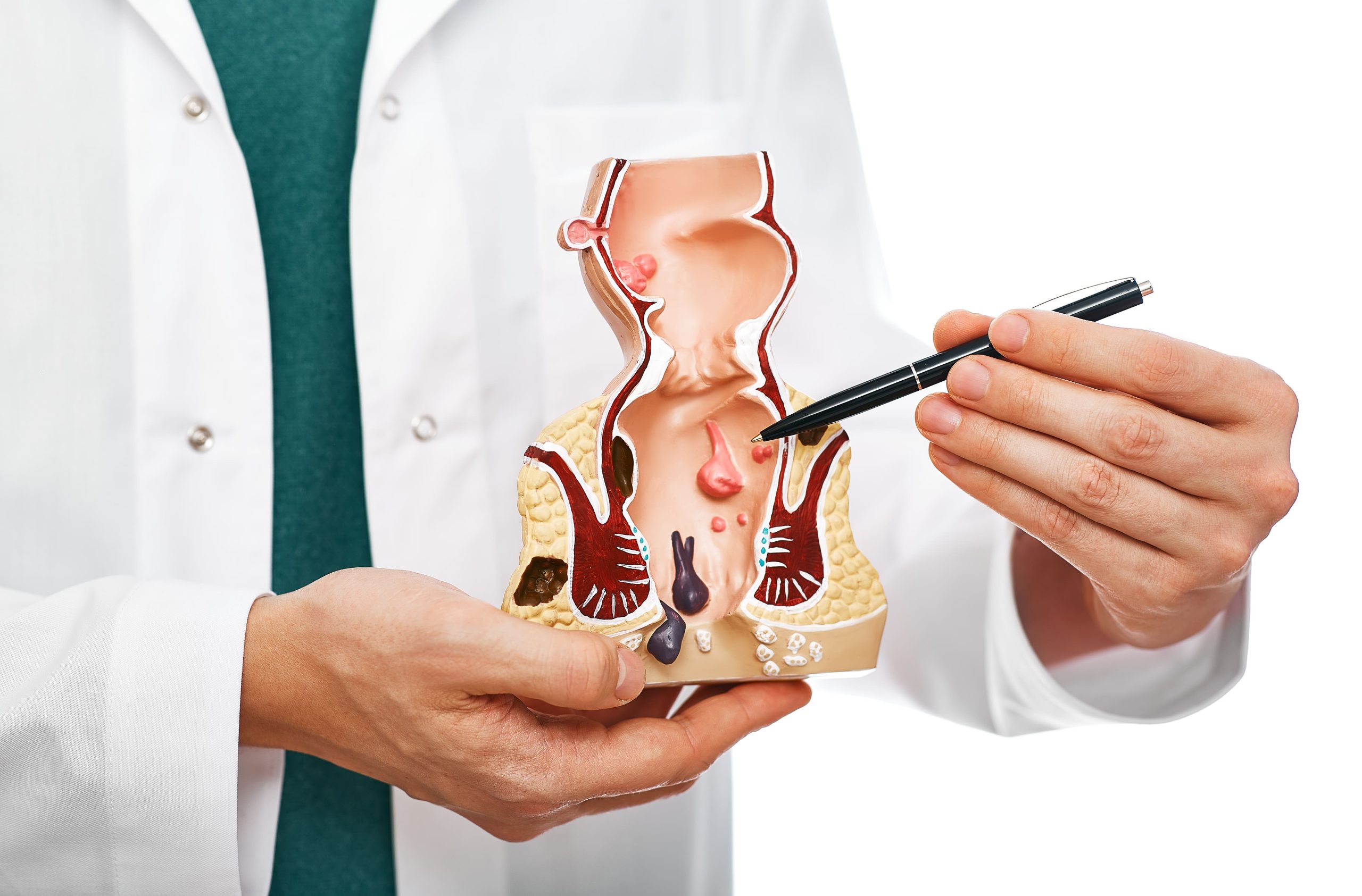
Both TAMIS and TEM are used to remove growths located in the rectum, the final section of the large bowel, through the back passage. Neither technique requires cuts on the abdomen. Suitability depends on the size, position, and nature of the growth, as well as your overall health.
Benign Rectal Polyps and Adenomas
Adenomas are non-cancerous growths (polyps) that develop on the inner lining of the rectum. Smaller polyps are often removed during a colonoscopy (a camera inspection of the large bowel). However, larger or flat polyps that cannot be safely removed during colonoscopy may require a transanal surgical approach. Both TAMIS and TEM may be suitable for removing these growths, with the aim of achieving a clear margin of healthy tissue around them.
Early-Stage Rectal Cancer
For selected patients with early-stage rectal cancer, where the tumour is confined to the inner layers of the rectal wall and has not spread to nearby lymph nodes (small glands that are part of the immune system), a transanal approach may allow complete removal without the need for more extensive abdominal surgery. A surgeon will assess imaging results and biopsy findings before advising on whether this route is appropriate for the individual patient.
When a Transanal Approach May Not Be Suitable
Transanal techniques are not appropriate for all rectal conditions. Larger, more advanced tumours that have grown deeper into the rectal wall or spread to surrounding structures typically require a different surgical approach. Local excision is contraindicated in the curative resection of T2 or more locally advanced rectal tumors. A surgeon can discuss all available options based on a patient’s specific diagnosis.
What Are the Potential Benefits of Transanal Surgery Compared to Traditional Approaches?
Compared to conventional open rectal surgery, both TAMIS and TEM may offer several advantages for suitable patients.
Key potential benefits include:
- No abdominal incisions: The entire procedure is performed through the back passage, so there are no cuts on the tummy and no visible scars.
- Reduced post-operative discomfort: Many patients report milder pain compared to open surgery, though individual experience varies.
- Shorter hospital stay: Many patients are discharged within one to two days, though this varies by individual and procedure.
- Faster return to daily activities: The absence of abdominal wounds may support a quicker recovery in suitable patients.
- Potential to avoid a stoma: A stoma (sometimes called a bowel bag) is a surgically created opening on the abdomen used to divert bowel movements. Because transanal techniques remove the growth without disturbing the rest of the bowel, a stoma is not required in many cases, though this depends on individual circumstances.
These potential benefits apply to appropriate candidates. Your surgeon will assess whether a transanal approach is suitable for your individual situation.
How Does Your Surgeon Decide Which Technique Is Right for You?
The choice between transanal minimally invasive surgery and transanal endoscopic microsurgery, or another surgical approach entirely, depends on individual circumstances. A surgeon will consider several factors before making a recommendation.
These include:
- The size and location of the growth: Growths higher up in the rectum or those with particular characteristics may favour one technique over the other.
- The nature of the growth: Whether the lesion is benign or shows early cancerous changes affects the surgical plan.
- The surgeon’s training and available equipment: A surgeon experienced in transanal minimally invasive surgery may recommend it if both are clinically appropriate; a surgeon trained in transanal endoscopic microsurgery at a centre with the dedicated equipment may recommend that approach instead.
- Your overall health: Pre-existing conditions may influence anaesthetic planning and recovery expectations.
Both techniques may achieve good outcomes when performed by an experienced colorectal surgeon on an appropriate candidate. The approach chosen should be well-matched to the patient’s specific condition and delivered by a surgeon with relevant experience in that platform.
Questions to Ask Your Surgeon About Transanal Surgery
You may wish to ask:
- Which technique do you recommend for my specific situation, and why?
- How many of these procedures have you performed, and on what platform?
- What should I expect during recovery, and when can I return to normal activities?
- Is there any chance I might need a stoma, either temporarily or permanently?
Preparing for Your Transanal Procedure
Before surgery:
Your surgeon will arrange pre-operative assessments, which may include blood tests, imaging, and an anaesthetic review. Bowel preparation (a process of clearing the bowel using a prescribed solution) is usually required the day before surgery, so that the rectum is clean and clearly visible during the procedure. Mechanical bowel preparation is often performed preoperatively, typically using a polyethylene glycol solution, but the decision for preoperative bowel preparation can be left up to the surgeon’s preference.
During the procedure:
Both TAMIS and TEM are performed under general anaesthesia (you will be fully asleep). The procedure typically takes between one and two hours, though this varies depending on the size and complexity of the growth.
Early recovery:
Many patients are mobile the same day or the day after surgery. Mild discomfort in the rectal area is common but is generally manageable with standard pain relief. Your surgical team will provide specific guidance on diet, activity, and follow-up appointments before you are discharged.
When to Seek Professional Help
- Rectal bleeding or blood in the stool
- A persistent change in bowel habits, such as new constipation, looser stools, or increased frequency
- A polyp identified during a colonoscopy that requires further assessment or removal
- A diagnosis of a rectal growth that your gastroenterologist or GP has referred for surgical review
Many patients delay seeking help due to embarrassment about symptoms involving the back passage. Seeking an early assessment may allow for a wider range of management options to be considered. A colorectal surgeon is experienced in discussing these concerns sensitively and without judgement.
Commonly Asked Questions
Is TAMIS or TEM painful?
Both procedures are performed under general anaesthesia, so you will not experience pain during surgery. Post-operative discomfort is generally mild and localised to the rectal area. Most patients find it manageable with standard oral pain relief. Your surgical team will ensure you have appropriate medication before you go home.
How long is the recovery after transanal surgery?
Recovery after transanal surgery varies by individual. Many patients return to normal daily activities within one to two weeks. Because there are no abdominal incisions, recovery may be faster than after open rectal surgery for suitable patients. Your surgeon will give you specific guidance based on your case.
Will I need a stoma after TAMIS or TEM?
In many cases, no. These techniques are designed to remove rectal growths through the back passage, leaving the rest of the bowel undisturbed. A stoma is not required for the majority of patients undergoing TAMIS or TEM, though individual circumstances vary. If your situation carries any risk of this, your surgeon will discuss it with you beforehand.
How do I know if my rectal polyp needs surgery?
Not all rectal polyps require surgery. Small polyps are often removed safely during a colonoscopy. Larger polyps, flat growths that are difficult to remove endoscopically (through the camera alone), or those with features suggesting early cancerous change may need a transanal surgical approach. A colorectal specialist can review your colonoscopy findings and advise on the most appropriate next step.
Are these procedures available at most hospitals in Singapore?
TAMIS is more widely available in Singapore, as it uses standard laparoscopic equipment found in most modern operating theatres. TEM requires dedicated, specialised equipment and is available at fewer centres. It is advisable to seek a surgeon with specific experience in transanal surgery and to confirm which options are available at your treating facility.
Learn More About Minimally Invasive Colorectal Surgery in Singapore
If you would like to understand more about transanal surgical options available in Singapore, or to discuss whether TAMIS or TEM may be appropriate for your condition, you are welcome to arrange a consultation. A personalised assessment can help determine which approach may be suitable for your individual circumstances.
Disclaimer: This article is for informational purposes only and does not constitute medical advice. Please consult a qualified healthcare professional for personalised guidance.