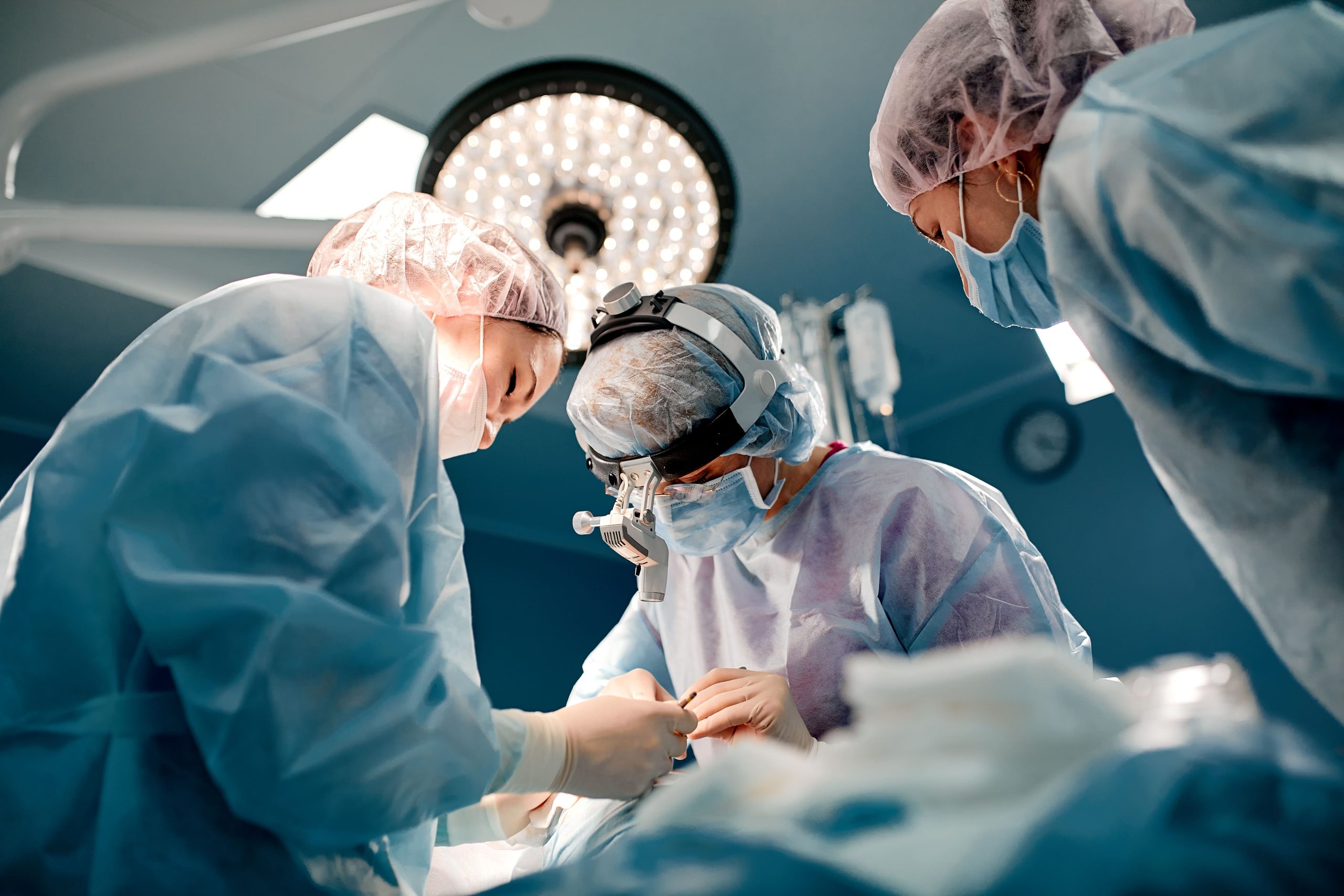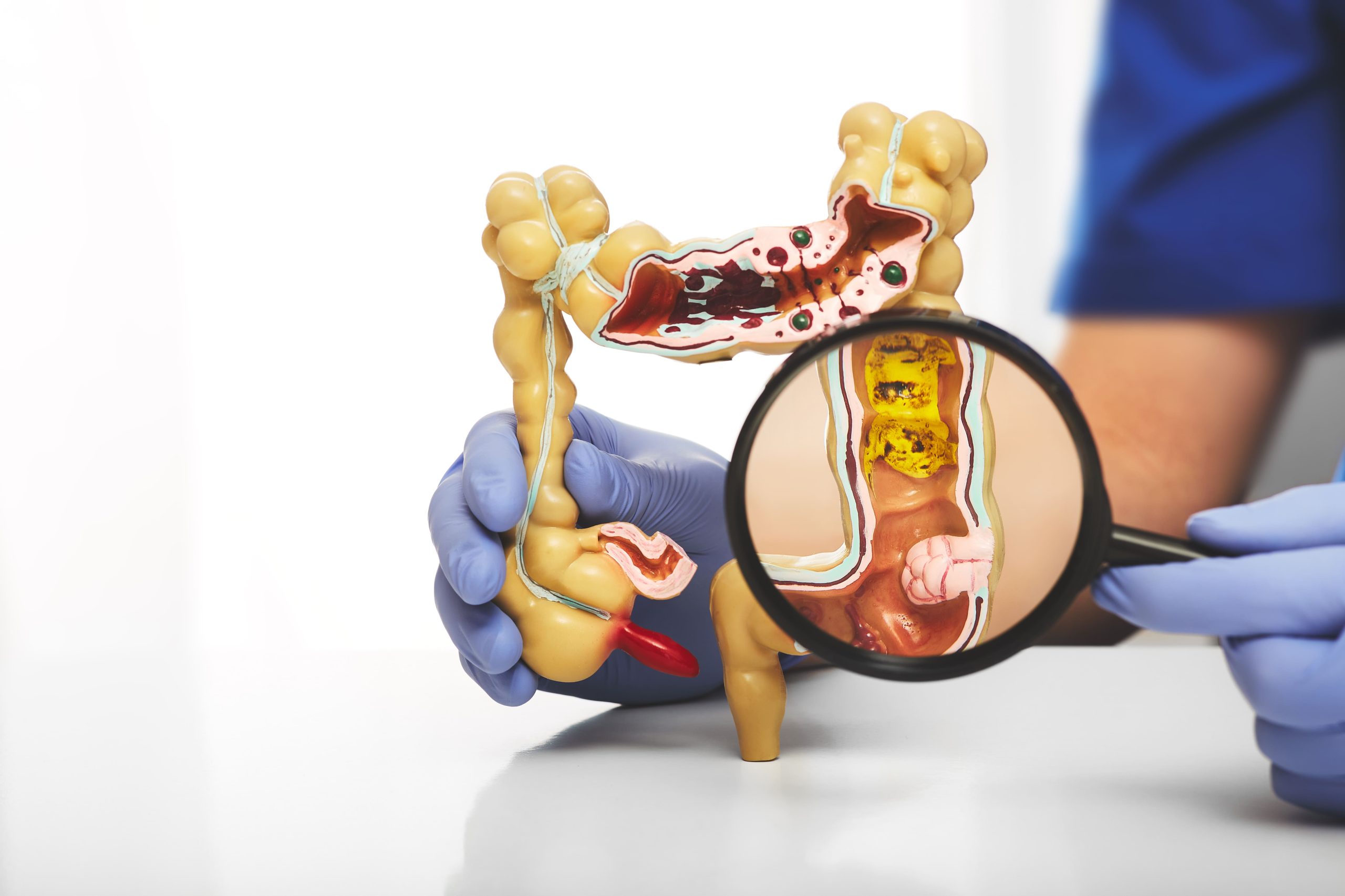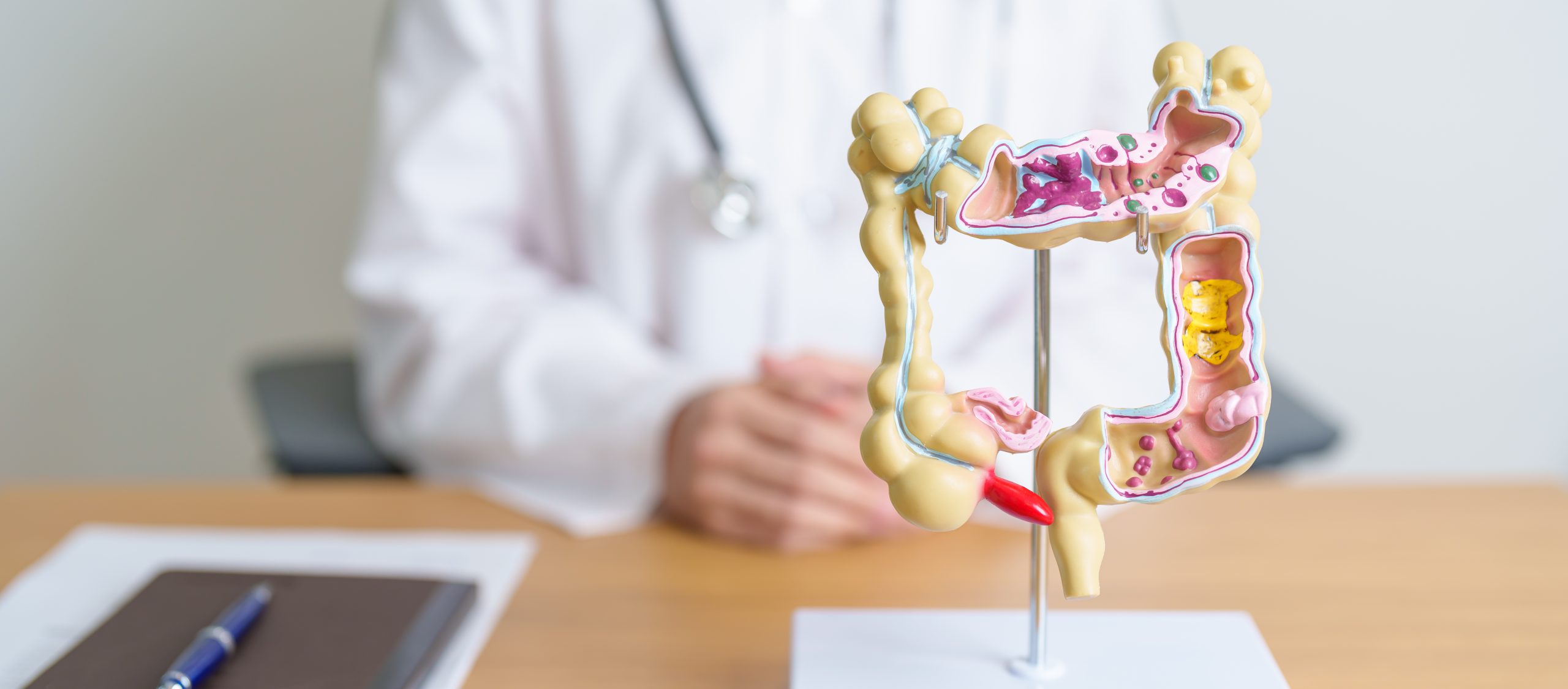
Transanal endoscopic surgery removes rectal tumours through the natural anal opening, eliminating the need for abdominal incisions and reducing recovery demands on the body. This minimally invasive approach accesses the rectum directly, allowing surgeons to remove tumours while preserving surrounding tissue and sphincter function.
The technique works well for early-stage rectal tumours and certain benign growths positioned in the mid to upper rectum. Because transanal surgery avoids cutting through abdominal muscles and manipulating intestines, patients experience less postoperative pain, a lower risk of wound complications, and a faster return of bowel function compared to traditional open surgery.
The First Hours After Surgery
Immediately following transanal surgery, you’ll spend several hours in the recovery area while anaesthesia effects wear off. Mild grogginess, slight nausea, and throat discomfort from the breathing tube are common. These typically resolve within a few hours.
Pain levels after transanal endoscopic surgery tend to be lower than after abdominal procedures. Most patients describe sensations of rectal pressure, mild cramping, or a feeling of fullness rather than sharp pain. Oral pain medications can effectively manage discomfort for many patients. Stronger medications are rarely necessary beyond the first day.
Small amounts of blood-tinged mucus discharge from the rectum are expected and normal. The surgical site inside the rectum remains open to heal naturally, similar to how a mouth ulcer heals. This wound weeps fluid and small amounts of blood as part of the normal healing process.
Passing gas indicates your bowel is waking up from surgery. Your surgical team will encourage this and may delay discharge until it occurs. Drinking clear fluids begins within hours of surgery, progressing to soft foods as tolerated.
Week One: Home Recovery Essentials
The first week at home focuses on rest, hydration, and gentle reintroduction of normal activities. Fatigue is common even though the surgery is minimally invasive—your body is directing energy toward internal healing.
Wound Care and Hygiene
No external wound requires dressing changes. Keep the anal area clean by gently washing with warm water after bowel movements. Pat dry rather than wiping vigorously. Sitz baths—sitting in warm water for a moderate duration—provide comfort and promote hygiene. Many patients find these soothing two to three times daily during the first week.
Avoid using harsh soaps, antiseptics, or wet wipes with alcohol or fragrance near the surgical area. Plain warm water is sufficient and gentlest on healing tissues.
Managing Bowel Movements
Your first bowel movement typically occurs within two to three days after surgery. This may feel uncomfortable due to swelling at the surgical site. It should not be painful. Stool softeners prescribed by your surgeon help ensure soft, easy-to-pass stools that won’t strain the healing area.
Expect some bleeding with bowel movements during the first two weeks. Bright red blood on toilet paper or in the bowl, especially after straining, falls within normal limits. The internal wound passes stool directly over it, making minor bleeding unavoidable.
Bowel habits may be irregular initially. Some patients experience:
- Increased frequency
- Urgency
- A sensation of incomplete evacuation
These symptoms typically improve progressively over two to four weeks as swelling subsides and the surgical site heals.
Dietary Guidelines During Recovery
What you eat directly affects your comfort during recovery. The goal is to produce soft, formed stools that pass easily without straining.
Foods to Emphasise
Fibre-rich foods soften stool and promote regular bowel movements. Introduce fibre gradually to avoid bloating and gas. Cooked vegetables, fruits with skins removed, whole grain cereals, and legumes provide gentle bulk. Adequate fluid intake—around several glasses of water daily—keeps fibre moving through your system effectively.
Protein supports tissue repair. Include lean meats, fish, eggs, dairy, tofu, and legumes at each meal. Your body’s protein requirements increase during wound healing.
Foods to Limit or Avoid
Spicy foods may irritate the surgical site and cause burning during bowel movements. Limit chilli, pepper, and heavily spiced dishes for at least two weeks.
Constipating foods work against your recovery goals. Limit white rice, white bread, bananas, cheese, and processed foods during the first two weeks. Caffeine and alcohol can contribute to dehydration and should be minimised.
Gas-producing foods like carbonated drinks, beans, cabbage, and onions may cause uncomfortable bloating. Introduce these gradually as your bowel function normalises.
Physical Activity and Restrictions
Transanal surgery allows earlier return to activity than abdominal procedures. Certain restrictions protect your healing surgical site.
Safe Activities
Walking is encouraged from day one. It provides numerous recovery benefits—reducing blood clot risk, preventing muscle stiffness, and promoting bowel function. Start with short walks around your home. Gradually increase distance and duration as energy permits.
Light household tasks like cooking, washing dishes, and desk work are generally safe from the first week. Listen to your body and rest when fatigued.
Activities to Avoid
Heavy lifting (anything over a modest weight) places pressure on the pelvic floor and surgical site. Avoid lifting for at least two to three weeks, or longer if your surgeon advises based on the extent of your procedure.
Strenuous exercise, including running, swimming, cycling, and gym workouts, should wait until your surgeon clears you—typically at the two to four week follow-up appointment.
Sexual activity can resume when you feel comfortable, usually after two to three weeks. Receptive anal intercourse should be avoided for at least six weeks to allow complete wound healing.
Prolonged sitting may cause discomfort during the first week. Use a cushion and change positions frequently. Driving is typically safe once you’ve stopped taking strong pain medications and can sit comfortably—usually after one week.
Recognising Normal Versus Concerning Symptoms
Normal Recovery Experiences
- Mucus discharge from the rectum continues for several weeks as the wound heals. This may appear clear, slightly yellow, or blood-tinged. The volume typically decreases progressively.
- Minor bleeding with bowel movements remains common for two to three weeks.
- Mild cramping or rectal discomfort, particularly during bowel movements, gradually improves.
- Fatigue persists for one to two weeks in most patients.
- Appetite may be reduced initially.
- Low-grade temperature (below a certain threshold) occasionally occurs in the first couple of days.
Warning Signs Requiring Medical Contact
Heavy bleeding—filling a pad in an hour or passing blood clots larger than a grape—requires prompt evaluation.
Fever above a certain threshold, persisting beyond the first couple of days or developing later in recovery, may indicate infection.
Severe abdominal pain, especially if worsening rather than improving, needs assessment. Inability to pass gas or stool for more than a couple of days after the first few days could indicate a bowel issue.
Signs of wound infection include increasing pain at the surgical site, foul-smelling discharge, or feeling generally unwell.
The Two to Four Week Follow-Up
Your surgeon will schedule a follow-up appointment to assess healing and discuss pathology results from the removed tumour. Pathology refers to the laboratory analysis of the tissue sample to determine the nature and characteristics of the tumour. This appointment typically occurs two to four weeks after surgery.
The surgeon may perform a gentle rectal examination to check the surgical site. This helps confirm normal healing and identify any issues requiring attention.
Pathology results determine whether additional treatment may be necessary. Your doctor will set a treatment plan tailored to your specific tumour characteristics and overall health profile. For early-stage tumours removed with clear margins, surveillance with regular examinations and imaging may be the only follow-up required. If pathology reveals features requiring further treatment, your surgeon will discuss options including additional surgery or oncology referral.
Long-Term Outlook and Surveillance
Most patients achieve recovery within four to six weeks, with full return to all activities, including strenuous exercise. Outcomes differ among patients based on individual health factors. Long-term bowel function typically returns to the pre-surgery baseline. Some patients notice subtle changes in bowel habits that persist.
Surveillance protocols for rectal tumours removed via transanal surgery vary based on tumour characteristics. Your surgeon will outline an individualised follow-up schedule, which commonly includes:
- Periodic examinations
- Blood tests for tumour markers (substances in the blood that may indicate cancer presence or recurrence)
- Imaging studies (such as CT scans or MRI) at specified intervals
Response to treatment varies depending on individual tumour characteristics. Early detection through surveillance allows prompt treatment if recurrence occurs.
Commonly Asked Questions
How long will I need off work after transanal surgery?
Most patients with desk jobs return to work within one to two weeks. Physically demanding jobs requiring heavy lifting or prolonged standing may require three to four weeks off. Your surgeon can provide a medical certificate specifying appropriate work restrictions.
Will I have permanent changes to my bowel function?
Many patients return to their baseline bowel habits within four to six weeks. Temporary changes in frequency, urgency, or sensation of incomplete evacuation are common during healing but typically resolve.
Can the tumour come back after transanal surgery?
Recurrence risk depends on tumour characteristics, including size, depth of invasion, and cellular features. Your pathology results and follow-up plan will address your individual recurrence risk. Regular surveillance can detect any recurrence early, when it is most treatable.
When can I travel after surgery?
Short car trips are fine within the first week. Air travel is generally safe after one to two weeks for domestic flights. For international travel, waiting until after your follow-up appointment allows your surgeon to confirm uncomplicated healing and provides time to address any issues before departure.
Is it normal to feel anxious about my first bowel movement?
Taking prescribed stool softeners, staying well-hydrated, and allowing adequate time without rushing helps the process. Discomfort is usually less than anticipated. The relief of completing this milestone often reduces anxiety about subsequent bowel movements.
Next Steps
Soft stools, restricted lifting, and consistent follow-up attendance form the foundation of uncomplicated recovery. Pathology results from your follow-up appointment will determine whether additional treatment or ongoing surveillance is required. Bowel changes such as increased frequency, urgency, or a sensation of incomplete evacuation are expected during the first two to four weeks and should be reported if they persist beyond that point.
If you are experiencing rectal bleeding, changes in bowel habit, or a sensation of rectal fullness, consult a qualified colorectal surgeon for assessment and advice on appropriate treatment options.