




Colorectal Surgeons In Singapore

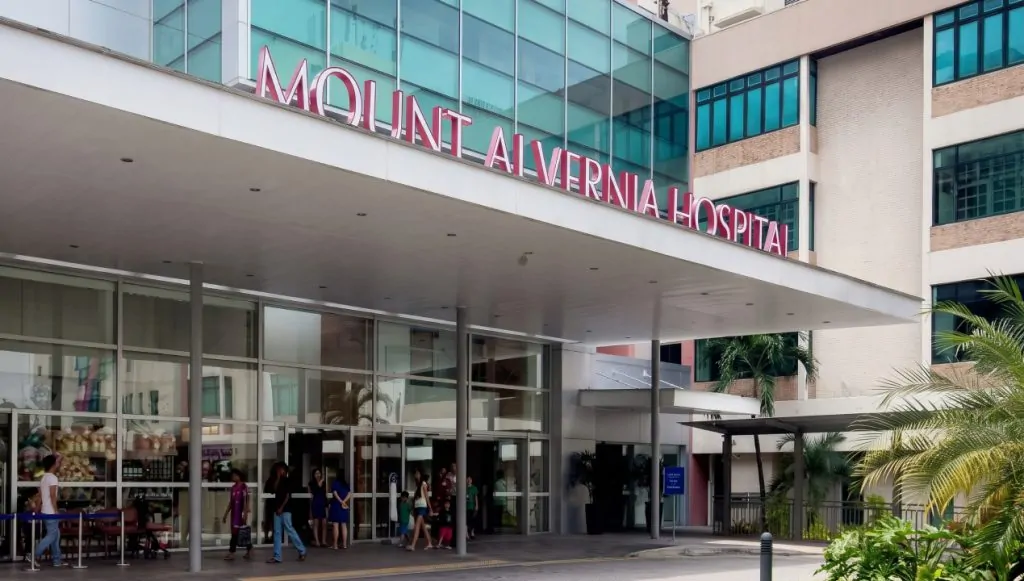
Ark Surgical Practice is a team of senior consultant colorectal & general surgeons in Singapore, consulting at Mount Elizabeth Medical Centre (Orchard) and Mount Alvernia Hospital (Thomson).

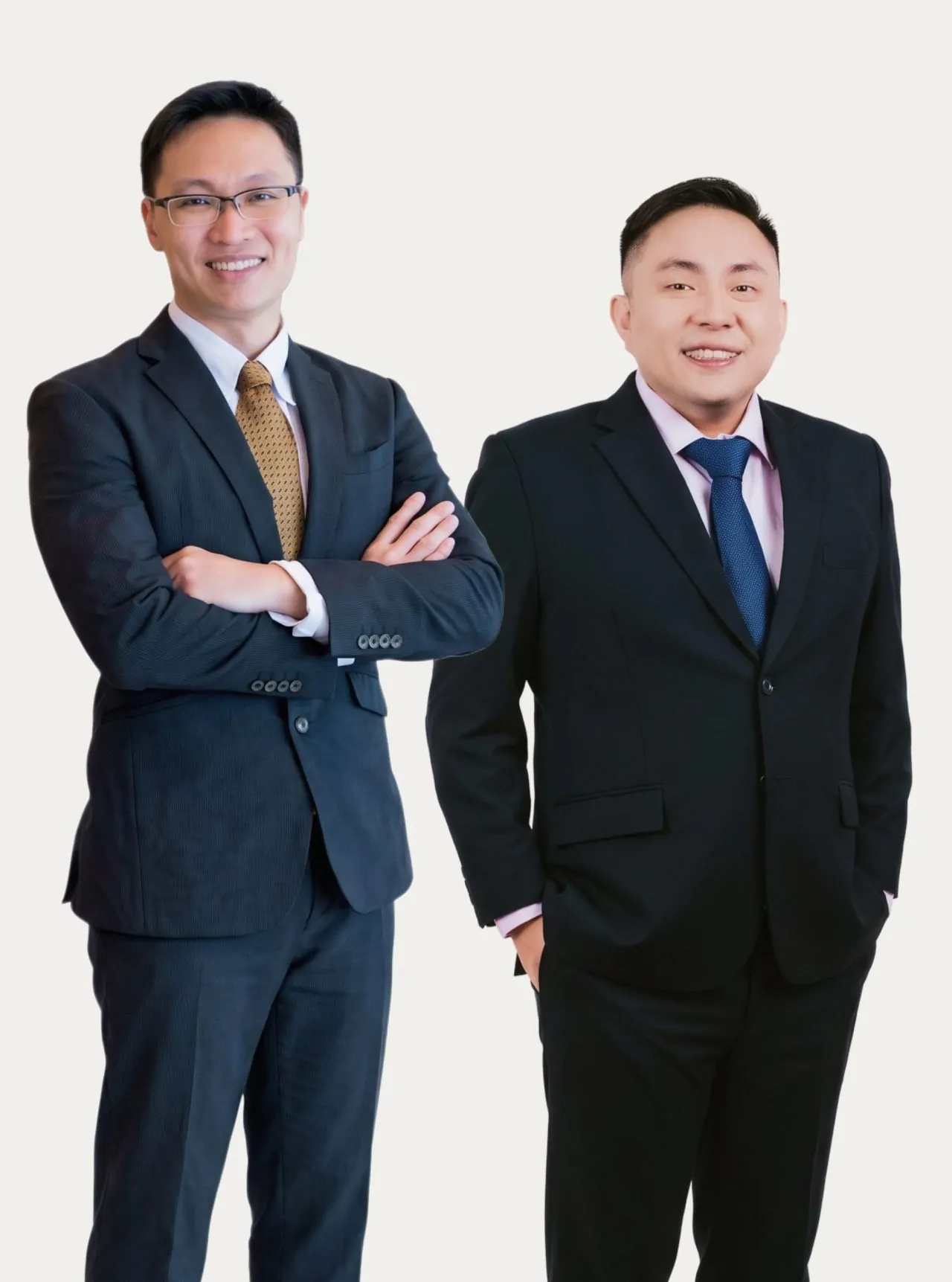
  • Colorectal Subspecialists: Dr Chong Choon Seng and Dr Ng Jing Yu — both completed general surgery training before subspecialising in colorectal surgery. Both hold MBBS (NUS), MRCS (Edinburgh), Masters in Medicine (Surgery) (NUS) and FRCS (Edinburgh).
  • Two Hospital Locations: Mount Elizabeth Medical Centre (Orchard), and Mount Alvernia Hospital, Thomson — both licensed private hospital campuses.
  • Minimally Invasive Where Clinically Suitable: Laparoscopic, robotic (da Vinci), transanal (TaTME) and laser perianal procedures, performed by surgeons formally trained on each platform.
  • MediSave and Insurance Prepared Upfront: Our clinic staff check MediSave claimability and arrange Integrated Shield or corporate pre-authorisation before your procedure is scheduled.
Hero - Desktop (2) Hero - Mobile (1)

Why Patients Choose Our Colorectal Specialists

  • Frame 2147223938

    Dedicated Colorectal Subspecialists

    Both surgeons completed full general surgery training and then subspecialised in colorectal surgery. Colorectal work is the focus of the practice — the colon, rectum, anus and small intestine — and general surgery sits alongside it rather than in place of it. You are seen by a colorectal subspecialist either way.

  • Frame 2147223938 (1)

    Surgeons With Academic and Research Appointments

    Dr Chong has over 100 peer-reviewed publications and served as Associate Professor and Assistant Dean at the National University of Singapore, and as Programme Director for Surgery Residency at NUHS. Dr Ng served as Senior Consultant and Assistant Professor in the Division of Colorectal Surgery at the National University Hospital and led its Colorectal Fellowship Programme.

  • Frame 2147223938 (2)

    Trained on Robotic, Transanal and Laser Platforms

    Both surgeons trained formally in robotic and transanal techniques. Dr Ng completed a MOH Health Manpower Development Programme (HMDP) fellowship in advanced robotic and transanal colorectal surgery at the Koo Foundation Sun Yat-Sen Cancer Center, Taiwan. The practice performs laparoscopic, robotic, transanal and laser perianal procedures, with the approach chosen for the condition.

  • Frame 2147223938 (3)

    The Same Surgeon From Consultation to Follow-Up

    The surgeon who assesses you at your first consultation performs your procedure and conducts your post-operative reviews. There is no handover between the clinic and the operating theatre.

Colorectal Conditions We Treat

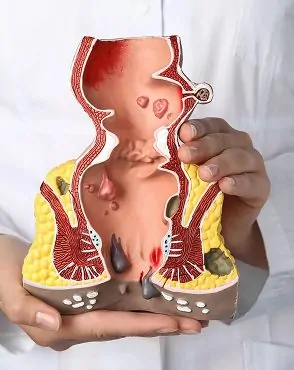
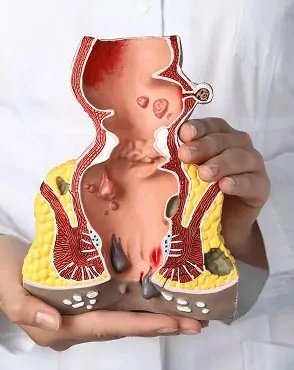
As colorectal surgery specialists in Singapore, both surgeons subspecialise in conditions of the colon, rectum, anus and small intestine — from haemorrhoids and anal fistula through to colorectal cancer. If you are not sure which colorectal specialist service you need, our clinic staff can direct your enquiry.

Browse by Condition

I'm not sure which condition I have

Describe your symptoms and our clinic staff will arrange a consultation with the appropriate surgeon. You do not need to know the medical term.

When Should You See a Colorectal Surgeon?

  • Persistent abdominal pain or bowel habit change

    Persistent Abdominal Pain or Bowel Habit Change

    Ongoing stomach pain, diarrhoea, constipation, or unusual changes in your bowel movements could point to conditions like irritable bowel syndrome, inflammatory bowel disease (IBD), or colorectal cancer.

  • Blood in stool or rectal bleeding

    Blood in Stool or Rectal Bleeding

    Seeing blood in stool when you use the bathroom can be alarming and may indicate haemorrhoids, anal fissures, polyps, or more serious conditions like colorectal cancer.

  • Pain or swelling around the anus

    Pain or Swelling Around The Anus

    Lumps, swelling, or persistent pain in the anal area might be caused by haemorrhoids, abscesses, or anal fistulas, which often require medical or surgical care.

  • Difficulty passing stool or rectal prolapse

    Difficulty Passing Stool or Rectal Prolapse

    Straining, pain during bowel movements, or a feeling of something slipping out of the rectum could be signs of pelvic floor dysfunction or rectal prolapse.

General Surgery in Singapore: Hernia, Gallbladder and Appendix

Colorectal Surgery is our focus. Aside from it, we are also general surgeons. Both Dr Chong and Dr Ng trained and are accredited in general surgery, and continue to manage hernia, gallbladder and general abdominal conditions. If your problem turns out to sit outside the colon and rectum, you do not need a second referral — the same surgeon can treat it.

Meet Our Surgeons

Ark Surgical Practice is a colorectal surgery practice in Singapore led by two senior consultant surgeons who are also accredited general surgeons, consulting at Mount Elizabeth Medical Centre (Orchard) and Mount Alvernia Hospital.

Dr Chong Choon Seng Section (1)
Dr Chong Choon Seng (2)

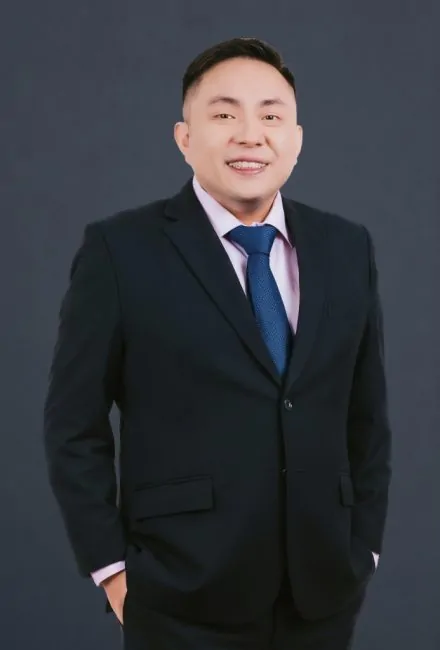
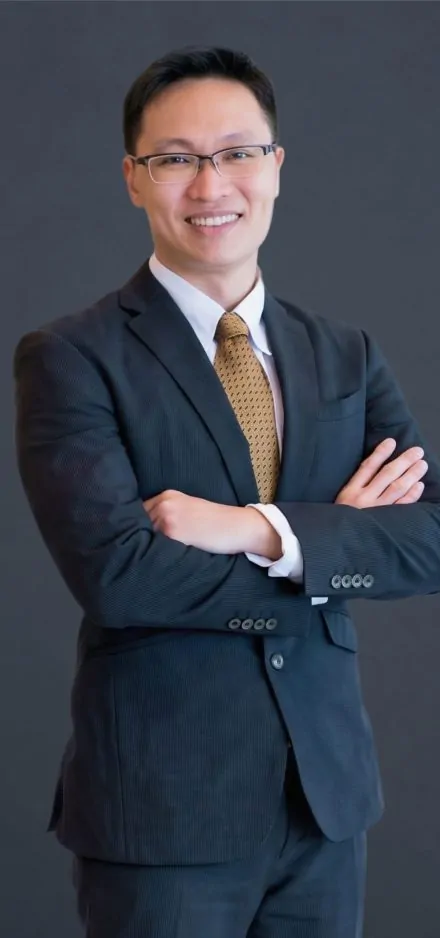
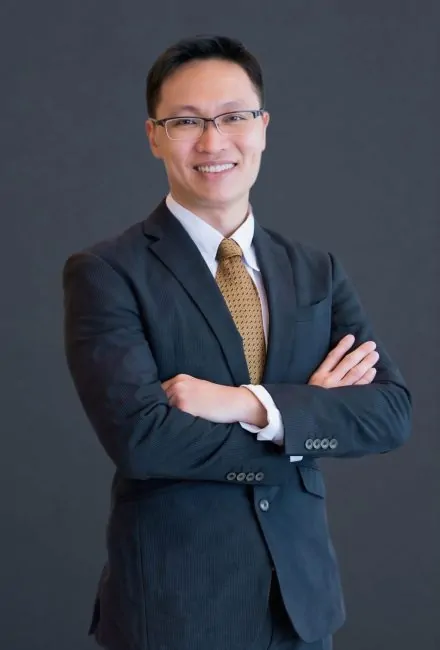
Dr Chong Choon Seng

Senior Consultant Colorectal & General Surgeon

MBBS (NUS) MRCS (Edinburgh) Masters in Medicine (Surgery) (NUS) FRCS (Edinburgh)

Colorectal and general surgeon providing care for hernias, gallbladder disease, haemorrhoids, colorectal cancer, and a wide range of bowel and anal conditions. Utilizes laparoscopic, robotic, and transanal surgery, selecting the optimal surgical platform tailored to each patient’s unique needs.

  • Qualifications: MBBS, National University of Singapore (2004); Member of the Royal College of Surgeons of Edinburgh (2008); Masters in Medicine (Surgery), NUS (2013); Fellowship of the Royal College of Surgeons of Edinburgh (2013)
  • Registration: Singapore Medical Council, 8 April 2004 (Reg. No. 11716A); Specialist Accreditation Board, 28 November 2013
  • Academic appointments: Associate Professor and Assistant Dean, National University of Singapore; Programme Director, Surgery Residency, NUHS
  • Research: Over 100 peer-reviewed publications, including systematic reviews and meta-analyses in the European Journal of Surgical Oncology, the European Journal of Cancer Prevention, Techniques in Coloproctology and the International Journal of Colorectal Disease
  • Award: Q2 2025 Service Star Award – Specialist Category
  • Public education: Appeared on Every Body Knows Season 2 (医聊大小事 2), Mediacorp, discussing constipation and haemorrhoids
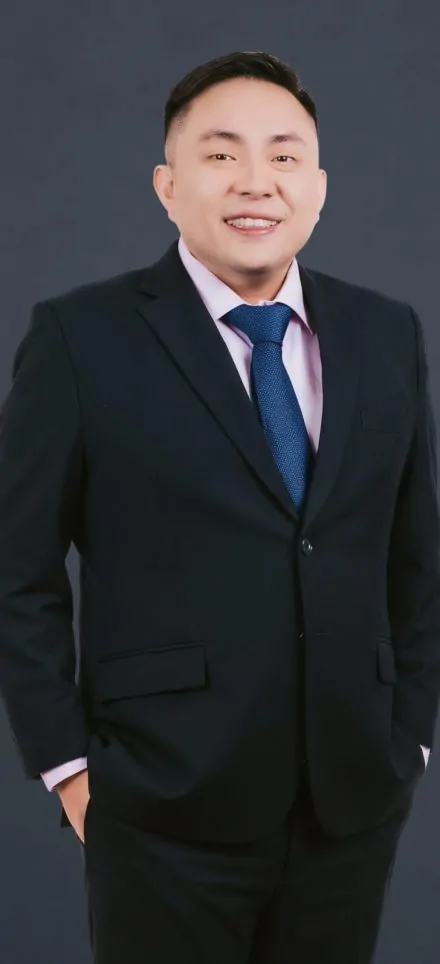
Dr Ng Jing Yu section (1)
Dr Ng Jing Yu inner (1)

Dr Ng Jing Yu

Senior Consultant Colorectal & General Surgeon

MBBS (NUS) MRCS (Edinburgh) Masters in Medicine (Surgery) (NUS) FRCS (Edinburgh)

Colorectal and general surgeon managing hernias, gallbladder disease, haemorrhoids, colorectal cancer and other bowel and anal conditions. Practises laparoscopic, robotic and transanal surgery, with particular experience in laser treatment for haemorrhoids and other perianal conditions.

  • Qualifications: MBBS, National University of Singapore (2008); Member of the Royal College of Surgeons of Edinburgh (2011); Masters in Medicine (Surgery) (2016); Fellowship of the Royal College of Surgeons of Edinburgh (2017)
  • Registration: Specialist Accreditation in General Surgery, Singapore; subspecialty training in Colorectal Surgery
  • Trained at: General surgery residency, National University Hospital; colorectal subspecialty training; MOH Health Manpower Development Programme (HMDP) fellow (2020), Koo Foundation Sun Yat-Sen Cancer Center, Taiwan, in robotic and transanal techniques for rectal cancer
  • Previously: Senior Consultant and Assistant Professor, Division of Colorectal Surgery, National University Hospital; Associate Programme Director, General Surgery Residency; lead, Colorectal Fellowship Programme, NUH
  • Currently: Visiting consultant, continuing to contribute to surgical training
  • Recognition: Recipient of Teaching Excellence awards for surgical education

Surgeon summary table

Surgeon Focus Profile
Dr Chong Choon Seng Senior Consultant Colorectal & General Surgeon — minimally invasive, robotic and transanal colorectal surgery; academic surgery View Profile
Dr Ng Jing Yu Senior Consultant Colorectal & General Surgeon — laparoscopic, robotic and transanal surgery; laser perianal procedures View Profile

Your Treatment Journey

One Surgeon, From First Visit Through Recovery

No handover between clinicians. The surgeon who assesses you is the surgeon who treats you.

Consultation

Consultation

Your surgeon reviews your symptoms and medical history, performs a focused examination, and looks at any prior scans or reports you bring. Bring existing test results if you have them.

Diagnosis and Treatment Plan

Diagnosis and Treatment Plan

Where needed, colonoscopy, gastroscopy, imaging or laboratory tests are arranged. Your surgeon explains the findings, the options open to you, and what each involves.

Procedure, Where Required

Procedure, Where Required

Procedures are performed at Mount Elizabeth Orchard or Mount Alvernia using the approach suited to your condition — open, laparoscopic, robotic, transanal or laser. Many procedures can be done as day surgery where clinically appropriate.

Recovery and Follow-Up

Recovery and Follow-Up

Your surgeon reviews you after the procedure and continues your follow-up. You are given written aftercare instructions and a direct clinic line for questions during recovery.

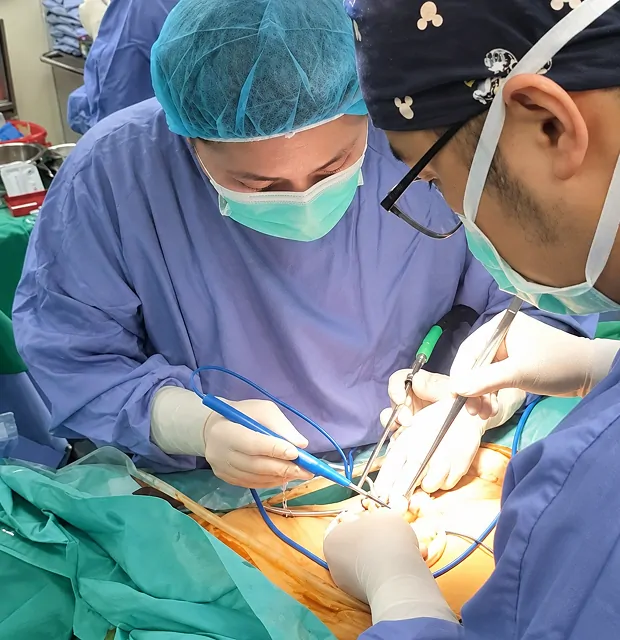
Colorectal surgeon performing minimally invasive surgery in Singapore Colorectal surgeon performing minimally invasive surgery in Singapore

Research, Teaching and Public Education

Both surgeons contribute to colorectal surgical research and to the training of other surgeons. Their published work is listed in full on our Media Features and Publications page.

  • Over 100 peer-reviewed publications by Dr Chong, including meta-analyses on complete mesocolic excision, indocyanine green fluorescence imaging in colectomy, colonic stenting in obstructive left colon cancer, and outcomes of robotic low anterior resection compared with transanal total mesorectal excision
  • Surgical training roles at NUS and NUHS — Programme Director for Surgery Residency, Associate Programme Director for General Surgery Residency, and lead of the NUH Colorectal Fellowship Programme
  • Public health education including a Mediacorp television appearance on colorectal conditions and community health talks

Colorectal Surgery Cost in Singapore: What Will I Pay?

Cost is part of the decision, and we would rather you hear it from us than guess. Before any procedure is scheduled, our clinic staff prepare an itemised estimate and walk you through what you are likely to pay after MediSave and insurance.

Your estimate covers:
  • Surgeon and anaesthetist fees
  • Hospital or day surgery facility charges
  • Investigations, consumables and implants, where applicable

Can I Use MediSave?

Many colorectal and general surgical procedures are MediSave-claimable, subject to the prevailing MOH withdrawal limits and the procedure’s Table of Surgical Procedures classification. Our staff check what applies to your specific procedure and prepare the claim.

Can I Use My Insurance?

We work with Integrated Shield Plans and a range of corporate health insurance plans, for Singapore Citizens, Permanent Residents and foreigners. Panel status, coverage and out-of-pocket amounts differ by plan and by policy. Where applicable, we coordinate a Letter of Guarantee with your insurer before admission.

What Will I Actually Pay?

Your out-of-pocket amount depends on the total procedure cost, MediSave claimability, your policy’s coverage, deductible and co-insurance, and any items your plan does not cover. Where the procedure is suitable for day surgery, overnight ward charges may not apply. Our staff explain all of this before your procedure is scheduled, not after.

Partnered Programmes & Insurance Plans

For Singaporeans, Singapore Permanent Residents and Foreigners. Please speak to our friendly clinic staff about using your insurance plans.

contact us

Please leave us a message and our friendly clinic staff will get back to you as soon as possible. For urgent or same day appointments, kindly call the clinic to arrange an appointment.

    Our Clinic Locations

    We consult at two private hospital campuses in Singapore. Select a location for directions.

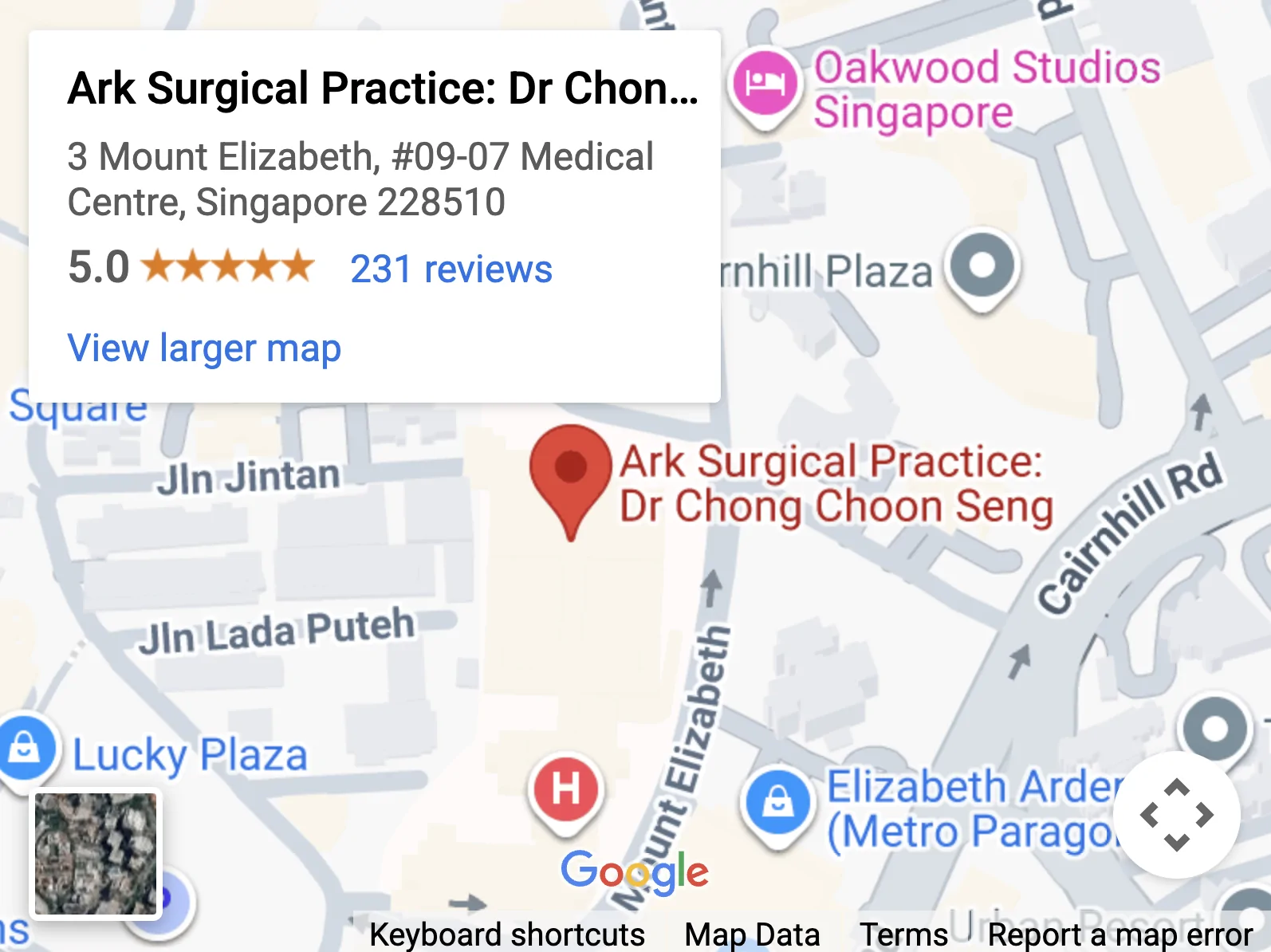
    Mount Elizabeth Medical Centre

    3 Mount Elizabeth, #09-07
    Singapore 228510

    Monday to Friday: 9am – 5pm
    Saturday: 9am – 12:30pm
    Sunday & Public Holidays: Closed

    Mount Alvernia Hospital

    Mount Alvernia Hospital

    820 Thomson Road,
    Mount Alvernia Hospital, #06-52,
    Medical Centre D, Singapore 574623

    Wednesday: 9am – 12:30pm
    Thursday: 2pm – 5pm

    Frequently Asked Questions

    Do I need a referral to see a colorectal surgeon?

    No. You can see a colorectal surgeon in Singapore without a referral, and you can request a consultation with us directly. That said, a referral letter from a GP or polyclinic is useful — it carries your history forward, and some insurers require one before they will process a claim. If you have recent scans, endoscopy reports or blood test results, bring them to your appointment.

    How is a colorectal surgery specialist trained, and when does it matter?

    In Singapore, a colorectal specialist first completes a full general surgery residency, then further subspecialty training in colorectal surgery, before being accredited by the Specialist Accreditation Board and entered on the Singapore Medical Council’s Specialist Register. Many then complete an overseas fellowship in a specific technique. The distinction matters most where the anatomy is unforgiving — rectal cancer low in the pelvis, complex or recurrent anal fistula, rectal prolapse and pelvic floor problems — where the choice of approach affects continence and long-term function. For more routine problems, either a general surgeon or a colorectal specialist may be appropriate.

    At what age should I start colorectal cancer screening?

    In Singapore, screening for colorectal cancer is generally recommended from age 50 for adults at average risk, using either an annual faecal immunochemical test (FIT) or a colonoscopy at intervals your doctor advises. If you have a first-degree relative who has had colorectal cancer or polyps, a personal history of inflammatory bowel disease, or symptoms at any age, screening usually begins earlier and colonoscopy is preferred. Your surgeon will advise what applies to you.

    Is a colonoscopy painful, and will I be sedated?

    A colonoscopy is performed under sedation, so most patients are asleep or drowsy and do not feel the procedure. You breathe on your own throughout and the depth of sedation is adjusted to you. Afterwards you will be monitored for one to two hours before discharge. Because sedation lingers, arrange for someone to take you home, and do not drive, work or sign anything important that day.

    How do I prepare for a colonoscopy?

    Preparation matters more than the procedure itself, because the view is only as good as the bowel is clean. You will be given dietary instructions for the days before, a clear-liquid diet the day before, and a laxative preparation to take the night before. Fasting instructions follow. Our clinic gives you written instructions at booking, and there is a step-by-step guide on our colonoscopy preparation page.

    What is the difference between open, laparoscopic, robotic and transanal surgery?

    Open surgery uses a single larger incision. Laparoscopic (keyhole) surgery uses several small incisions and a camera, which usually means less pain and a faster recovery. Robotic surgery is keyhole surgery performed with robotic instruments, which give finer movement in confined spaces such as the pelvis. Transanal surgery is performed through the anal canal with no abdominal incision at all. Which one suits you depends on your condition, its position and your medical history — not every approach is appropriate for every patient, and your surgeon will explain why one is being recommended.

    How long is recovery, and when can I return to work?

    This varies by procedure. Day-surgery procedures such as many hernia repairs or piles procedures typically mean a few days to two weeks away from desk work, with heavy lifting restricted for longer. Major colorectal resections involve a hospital stay and a longer recovery. Your surgeon will give you a realistic timeframe for your own procedure and job before you decide, so you can plan leave in advance.

    Do I need to stop my medications before surgery?

    Possibly. Blood-thinning medication such as aspirin, clopidogrel or warfarin often needs to be paused several days beforehand, and diabetic medication may need adjusting around fasting. Do not stop anything on your own — some medications carry their own risk if withheld. Bring a list of everything you take, including supplements, to your consultation and your surgeon will tell you what to hold and when.

    Can I choose which surgeon I see, and which hospital?

    Yes. You can request Dr Chong or Dr Ng when you book, and our staff will match that to their consulting sessions at Mount Elizabeth Orchard or Mount Alvernia. Where a procedure can be performed at either hospital, availability, your insurance panel and your own preference all factor into the choice.

    What is a Letter of Guarantee, and do I need one?

    A Letter of Guarantee is a written undertaking from your insurer confirming it will cover an agreed portion of your hospital bill directly, which reduces the cash deposit you need at admission. It applies mainly to Integrated Shield and corporate plans. Where one is available for your policy, our clinic staff arrange it with your insurer before admission — you do not need to chase it yourself.

    Is rectal bleeding always haemorrhoids?

    No. Haemorrhoids and anal fissures are the most common causes of bleeding, and both are treatable. But the same symptom can also come from polyps, inflammatory bowel disease or colorectal cancer, and the appearance of the bleeding alone does not reliably tell them apart. Assuming it is piles is the most common reason patients delay. An assessment can establish the cause..