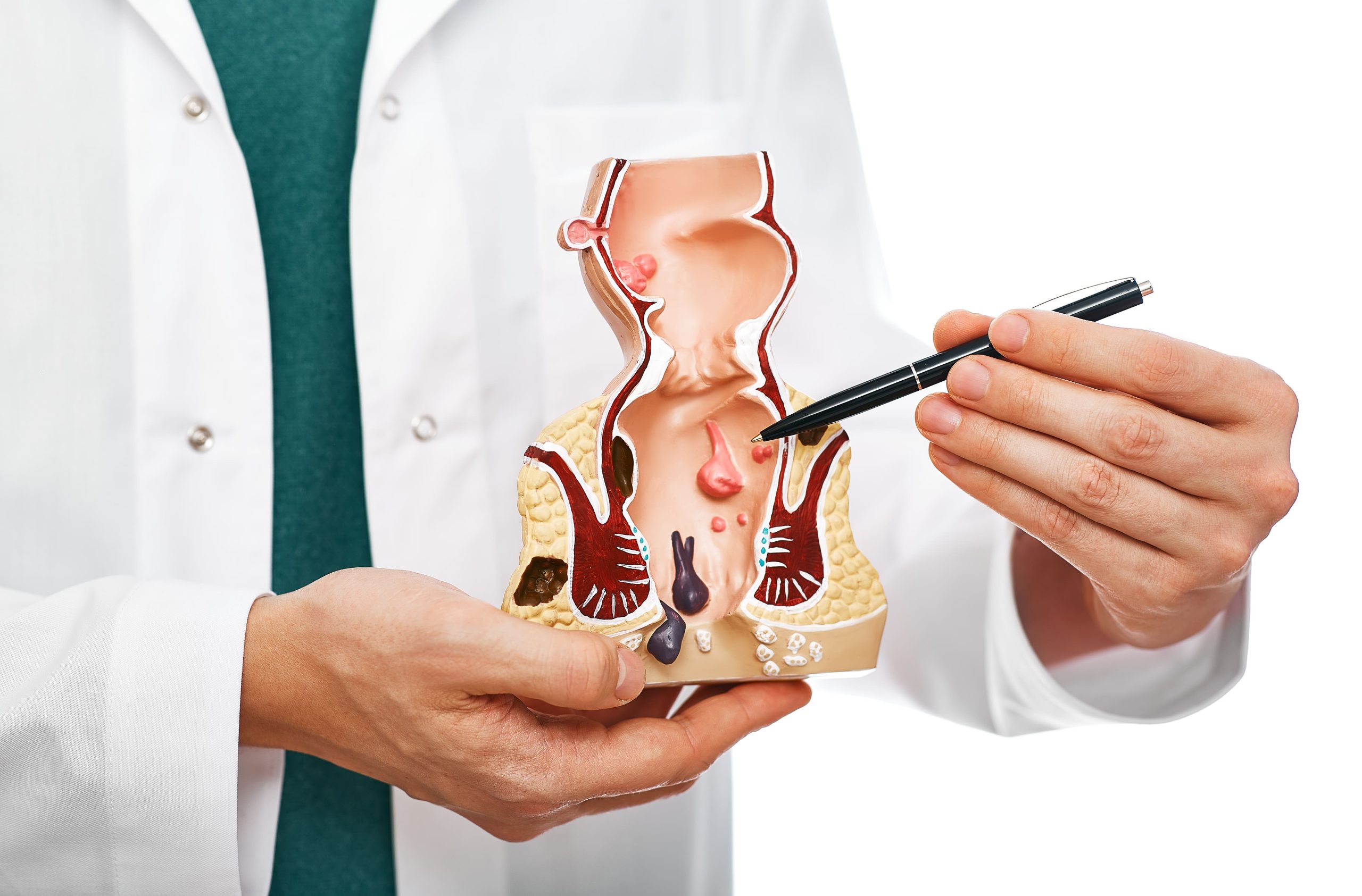
Haemorrhoids recur because the underlying factors that caused them (such as straining, prolonged sitting, and low fibre intake) often remain unaddressed after initial treatment. While procedures can remove existing haemorrhoids, the tissue and blood vessels in the anal canal remain susceptible to swelling again under the same conditions. Reducing the risk of recurring haemorrhoids typically involves modifying the daily habits and physiological pressures that led to their development.
The anal cushions that become haemorrhoids serve a normal function in continence. These vascular structures only become problematic when increased pressure causes them to engorge, prolapse, or develop blood clots. Understanding this mechanism explains why lifestyle modification is often considered an essential aspect of prevention, and why simply treating symptoms without addressing underlying causes can lead to repeated episodes.
Why Haemorrhoids Return
Haemorrhoids typically recur when pressure on the anal cushions exceeds their capacity to return to normal. Several factors create this pressure repeatedly:
- Straining during bowel movements stretches the supporting tissue of anal cushions. Each straining episode causes microscopic trauma that accumulates over time. Once this tissue loses elasticity, it cannot adequately support the vascular cushions, allowing them to prolapse more easily with subsequent straining.
- Chronic constipation forces harder stools through the anal canal, requiring more pressure to evacuate. This creates a cycle: constipation leads to straining, straining damages tissue, and damaged tissue becomes more prone to haemorrhoid formation.
- Prolonged toilet sitting maintains pressure on the anal region even without active straining. Blood pools in the haemorrhoidal vessels when sitting on a toilet, as the opening allows the cushions to engorge without the support of a solid surface.
- Heavy lifting without proper technique transmits abdominal pressure directly to the pelvic floor. Holding breath while lifting (the Valsalva manoeuvre) can significantly increase this pressure.
Dietary Modifications That Reduce Recurrence
Fibre helps support stool consistency in ways that may reduce haemorrhoid risk. Soluble fibre absorbs water and forms a gel-like substance that softens stool. Insoluble fibre adds bulk and speeds transit time through the colon, helping prevent the dehydration of stool that causes hardness.
Fibre Sources and Their Effects
Soluble fibre from oats, barley, legumes, and fruits typically helps create softer stools that pass with less straining. Psyllium husk supplements provide concentrated soluble fibre and have shown usefulness in haemorrhoid management.
Insoluble fibre from vegetables, whole grains, and wheat bran helps increase stool bulk and stimulates intestinal movement. This helps prevent the prolonged colon transit time that leads to hard, difficult-to-pass stools.
Gradual increase matters significantly. Adding large amounts of fibre suddenly causes bloating, gas, and cramping as gut bacteria adjust. Increasing fibre over several weeks allows adaptation without discomfort.
Hydration Requirements
Fibre requires adequate fluid to function properly. Without sufficient water, increased fibre can actually worsen constipation by creating bulky, dry stool. Fluid intake should increase proportionally with fibre consumption. Signs of adequate hydration include pale yellow urine and absence of thirst.
Toilet Habits That Prevent Recurrence
The modern toilet may create conditions that promote haemorrhoids. The seated position places the puborectalis muscle in a posture that partially obstructs the rectum, requiring more pressure to evacuate.
Optimal Positioning
Elevating the feet on a small stool while sitting raises the knees above hip level. This position straightens the anorectal angle, which may allow stool to pass with less resistance and reduced straining.
Time Limits
Bowel movements should complete within several minutes. Extended sitting, often due to phone or reading material use, maintains constant pressure on haemorrhoidal tissue even without straining. If evacuation does not occur promptly, leaving and returning later when the urge is stronger reduces total time spent on the toilet.
Responding to Urges
Delaying bowel movements when the urge arises allows the rectum to reabsorb water from stool, making it harder. The urge itself represents optimal timing: the rectum has sensed stool presence and the body is prepared for evacuation. Ignoring this signal repeatedly can diminish the defecation reflex over time.
Exercise and Physical Activity
Regular movement stimulates intestinal motility through several mechanisms. Physical activity increases blood flow to the digestive tract, activates smooth muscle contractions in the intestinal wall, and reduces the time stool spends in the colon.
Beneficial Activities
- Walking provides gentle, consistent stimulation to the digestive system. Daily walking correlates with more regular bowel movements and reduced constipation.
- Swimming and water exercise offer cardiovascular benefits without the impact stress that can aggravate existing haemorrhoids.
- Yoga poses that involve gentle twisting and core engagement may support digestive function and pelvic floor health.
Activities Requiring Modification
- Heavy weightlifting transmits significant pressure to the pelvic floor, particularly during squats, deadlifts, and overhead presses. Exhaling during the exertion phase rather than holding breath reduces this pressure substantially. Lighter weights with more repetitions may provide similar benefits with less risk.
- Prolonged cycling places direct pressure on the perineal area. Properly fitted seats with cutouts, standing periodically, and padded shorts can reduce this effect.
Managing Underlying Conditions
Several medical conditions increase haemorrhoid recurrence risk and require specific management:
Chronic Constipation
When dietary measures prove insufficient, osmotic laxatives draw water into the colon to soften stool. These can be used regularly without the dependency concerns associated with stimulant laxatives. Stool softeners may help those who cannot tolerate increased fibre.
Chronic Diarrhoea
Frequent loose stools irritate haemorrhoidal tissue and can cause as many problems as constipation. Identifying triggers, whether dietary, infectious, or related to conditions like irritable bowel syndrome, allows targeted treatment that may assist in reducing both diarrhoea and the risk of haemorrhoid recurrence.
Pregnancy
Increased pelvic pressure and hormonal changes make pregnancy a high-risk period for haemorrhoid development. Fibre supplementation, adequate hydration, and side-lying rest positions may help manage recurrence during and after pregnancy.
Medications and Supplements
Fibre Supplements
Psyllium husk is a well-studied fibre supplement for haemorrhoid prevention. It creates soft, bulky stools that pass easily. Other options include methylcellulose and wheat dextrin, which may cause less bloating in some individuals.
Flavonoids
Micronised purified flavonoid fraction (MPFF) supplements are designed to support blood vessel strength and venous tone. Clinical studies suggest they may assist in managing haemorrhoid symptoms and reducing recurrence rates. These supplements operate by decreasing inflammation and supporting lymphatic drainage in haemorrhoidal tissue.
Topical Treatments
Topical preparations provide symptomatic relief but do not prevent recurrence. They serve as adjuncts during flare-ups rather than prevention strategies. Prolonged use of steroid-containing preparations can thin perianal skin and worsen symptoms.
💡 Did You Know?
Research using X-ray imaging shows the anorectal angle straightens with elevated-knee positioning, requiring less pressure to pass stool, which is why a footstool during toilet use may reduce straining.
Recognising Early Symptoms
Addressing haemorrhoid symptoms early may help prevent progression to more severe grades that require procedural intervention. Early signs include:
- Mild itching around the anus, often worse after bowel movements. This may indicate external haemorrhoid inflammation or mucus discharge from internal haemorrhoids.
- Occasional bright red blood on toilet paper or in the bowl. Fresh blood suggests haemorrhoidal bleeding rather than more proximal sources, though any rectal bleeding warrants medical evaluation.
- Sense of incomplete evacuation or feeling of fullness in the rectum. This may indicate internal haemorrhoid prolapse that reduces spontaneously.
Implementing dietary and lifestyle measures at the first sign of symptoms may help reduce the risk of developing larger, symptomatic haemorrhoids that require haemorrhoids treatment.
Daily Prevention Strategies
- Start the morning with warm water and high-fibre breakfast: Oatmeal with fruit or whole grain toast can provide gentle bowel stimulation and begin daily fibre intake.
- Schedule walking after meals: Even brief walks stimulate the gastrocolic reflex and promote regular bowel movements.
- Keep a footstool near the toilet: Having it accessible increases the likelihood of consistent use.
- Monitor stool consistency: Soft stools that pass easily indicate adequate fibre and hydration; hard stools or straining signal the need for adjustment.
- Take movement breaks during prolonged sitting: Standing and walking briefly every hour reduces pelvic congestion.
When to Seek Professional Help
- Persistent bleeding: Bleeding that persists despite lifestyle modifications.
- Disruptive pain: Pain that interferes with daily activities or sleep.
- Irreducible prolapse: Haemorrhoids that prolapse and cannot be pushed back.
- Bowel habit changes: Changes in bowel habits accompanying haemorrhoid symptoms.
- Early recurrence: Symptoms that return within months of previous treatment.
- New symptoms after 45: Any new rectal symptoms in individuals over age 45.
Commonly Asked Questions
How long does it take for lifestyle changes to prevent recurrence?
Dietary modifications typically improve stool consistency within one to two weeks. However, because the tissue changes that make haemorrhoids prone to recurrence develop over months to years, managing recurrence risk typically involves a sustained long-term commitment to modified habits rather than short-term changes.
Can haemorrhoids be permanently cured?
Procedures like haemorrhoidectomy remove haemorrhoid tissue, but the underlying anal cushions and blood vessels remain. Without addressing the factors that caused initial haemorrhoid development, new haemorrhoids can form in remaining tissue. Prevention strategies remain important even after surgical treatment.
Do over-the-counter haemorrhoid creams prevent recurrence?
Topical treatments relieve symptoms like itching and discomfort but do not address the vascular and tissue changes that cause haemorrhoids. They serve as symptom management during flare-ups rather than prevention measures.
Is there a genetic component to recurring haemorrhoids?
Connective tissue strength and vein wall integrity have hereditary components. Individuals with family histories of haemorrhoids or varicose veins may develop haemorrhoids more readily. This makes prevention strategies more relevant for those with genetic predisposition.
Should I avoid all spicy foods to prevent haemorrhoids?
Spicy foods do not cause haemorrhoids but may irritate existing haemorrhoidal tissue during flare-ups. There is no evidence that avoiding spicy foods prevents haemorrhoid recurrence in individuals without active symptoms.
Next Steps
Reducing the risk of recurring haemorrhoids often involves three sustained habits: maintaining soft stools through adequate fibre and hydration, keeping toilet time brief and strain-free, and staying physically active. When haemorrhoids persist or recur despite these measures, medical evaluation can identify contributing factors and determine whether procedural treatment is appropriate.
If you are experiencing recurring haemorrhoids, persistent rectal bleeding, or prolapse that does not reduce on its own, a colorectal surgeon in Singapore can assess the severity of your condition and advise on non-surgical or surgical treatment options.