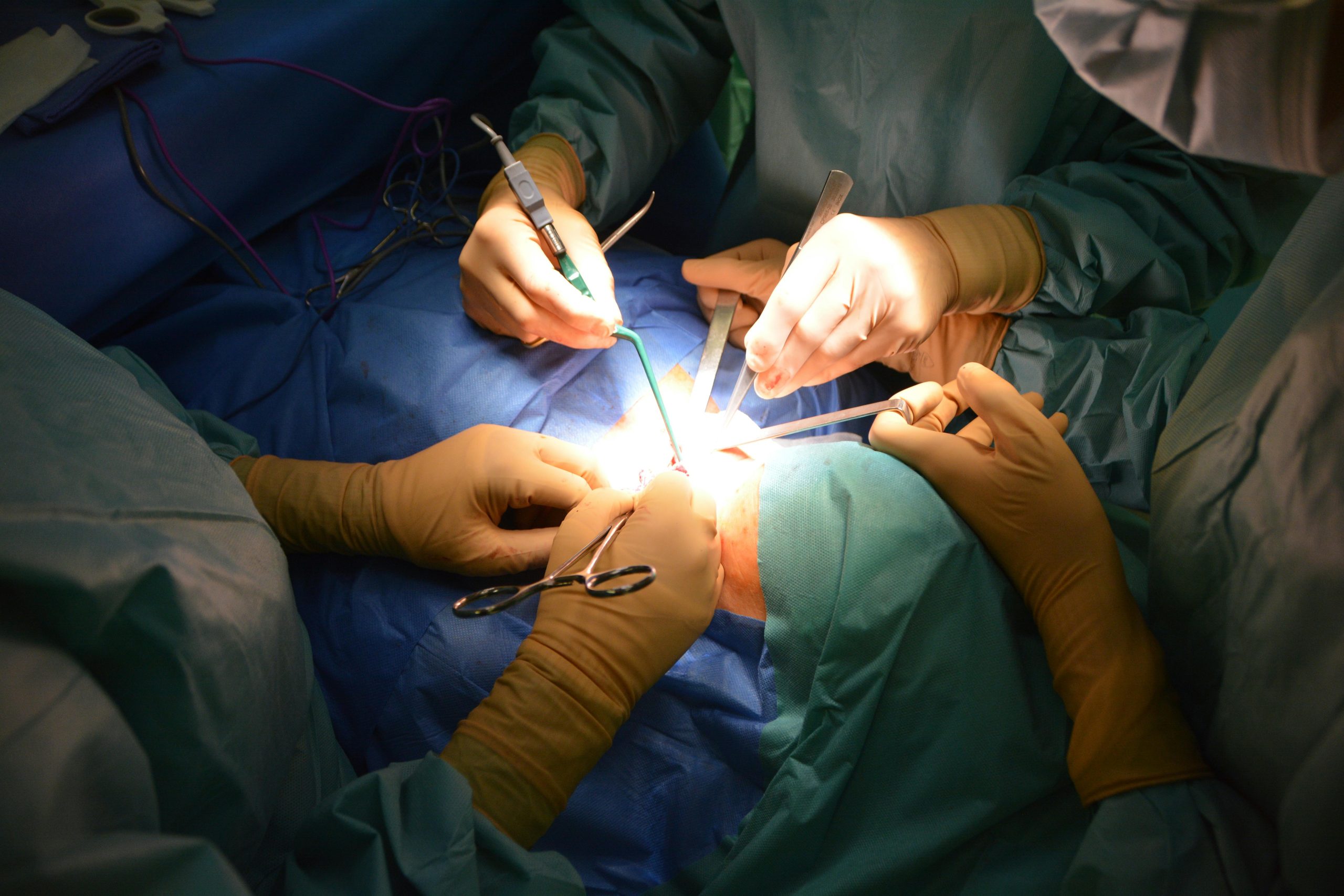
Laparoscopic cholecystectomy, or keyhole surgery, allows surgeons to remove the gallbladder through four tiny incisions using a specialised camera called a laparoscope.
While the gallbladder stores bile to help digest fats, it is not essential for survival; once removed, bile simply flows directly from the liver into the small intestine. This minimally invasive approach is the standard treatment for symptomatic gallstones, providing a faster recovery than traditional open surgery.
Why Gallbladder Removal Becomes Necessary
Gallstones trigger surgery when they cause recurrent symptoms or complications. Biliary colic—intense pain in the upper right abdomen lasting 30 minutes to several hours—occurs when stones temporarily block the cystic duct (the tube draining the gallbladder). This pain often radiates to the back or the right scapula. It may follow fatty meals.
Cholecystitis develops when a stone remains lodged, causing gallbladder inflammation. Symptoms include persistent pain, fever, and tenderness when pressing on the right upper abdomen (Murphy’s sign). Without treatment, the gallbladder can become gangrenous or rupture.
Stones migrating into the common bile duct (the main drainage tube carrying bile to the intestine) create additional risks:
- Jaundice (yellowing of skin and eyes) from blocked bile flow
- Cholangitis (infection in the bile ducts)
- Gallstone pancreatitis
These complications require urgent intervention. They complicate subsequent gallbladder removal.
Acalculous cholecystitis—gallbladder inflammation without stones—affects some patients, particularly those with diabetes, prolonged fasting, or critical illness. Gallbladder polyps (small growths on the gallbladder wall) larger than 10mm also warrant removal due to malignancy risk.
How Keyhole Surgery Works
Keyhole surgery is a highly efficient, minimally invasive procedure that typically takes 30-60 minutes. By utilising advanced imaging and small entry points, surgeons can remove the gallbladder with precision while ensuring the safety of the surrounding bile duct system.
- Establishing Access: Under general anaesthesia, the surgeon makes a small incision near the navel and inflates the abdomen with carbon dioxide gas to create a clear workspace. A laparoscope is then inserted to project magnified, real-time images of the internal organs onto a monitor.
- The Critical View of Safety: Three additional small incisions are made for specialised surgical instruments. The surgeon carefully identifies the cystic duct and cystic artery—the structures connecting the gallbladder to the bile system and blood supply—to ensure they are safely clipped and divided without injuring the common bile duct.
- Gallbladder Removal: After separating the gallbladder from the liver bed, the surgeon places it in a retrieval bag and removes it through one of the incisions. In some cases, an intraoperative cholangiography (using X-ray dye) is performed to check for any hidden stones in the bile ducts before the incisions are closed with sutures or surgical glue.
Advantages Over Open Surgery
Keyhole surgery reduces tissue trauma compared to the large incision required for open cholecystectomy (traditional gallbladder removal through one large cut).
Reduced Hospital Stay
Most laparoscopic cholecystectomy patients return home the same day or after one night’s observation. Open surgery typically requires several days of hospitalisation for pain management and mobilisation.
Faster Return to Activities
Desk work becomes manageable within 1-2 weeks post-laparoscopy, compared to several weeks after open surgery. Physical labour and exercise resume at 3-4 weeks, rather than a longer period.
Less Post-Operative Pain
Smaller incisions cause less disruption of muscle and tissue. Patients require fewer opioid medications. This reduces associated side effects, such as constipation and nausea.
Lower Wound Complications
Smaller incisions decrease the risks of wound infection, hernia formation, and separation. The cosmetic result—four small scars versus one long scar—matters to many patients.
Reduced Adhesion Formation
Less tissue handling means fewer internal adhesions (scar tissue that can form between organs). These can cause bowel obstruction or chronic pain years after surgery.
💡 Did You Know?
The magnification provided by laparoscopic cameras gives surgeons a detailed view of the surgical field. This improves identification of anatomical structures.
Preparing for Surgery
Pre-operative preparation ensures safe anaesthesia. It identifies factors that may complicate surgery.
Medical Evaluation
Blood tests assess:
- Liver function (how well your liver processes substances)
- Clotting ability (how well your blood forms clots to stop bleeding)
- Kidney function (how well your kidneys filter waste)
An electrocardiogram (a test that records the heart’s electrical activity) is used to screen for cardiac issues in patients with risk factors. Chest X-rays may be ordered for those with respiratory conditions.
Imaging Review
Ultrasound (a scan using sound waves to create images) confirms gallstone presence and gallbladder wall thickness. Thick walls suggest inflammation that may make surgery more challenging. Dilated bile ducts (widened drainage tubes) prompt further investigation for common duct stones. This may require endoscopic clearance (removal using a thin, flexible tube with a camera) prior to surgery.
Medication Adjustments
Blood thinners require specific management—some are stopped days before surgery, others are bridged with alternative anticoagulation. Diabetic medications need adjustment for fasting periods. Patients should bring a complete medication list to pre-operative consultations. Your doctor can provide personalised recommendations based on your medications and health conditions.
Fasting Requirements
Eat nothing for several hours before surgery. Clear fluids may be permitted up to a short period prior. These guidelines prevent aspiration (breathing stomach contents into the lungs) during anaesthesia.
The Day of Surgery
Patients arrive before scheduled surgery for admission paperwork, nursing assessment, and anaesthetic review. Hospital gowns replace regular clothing. Intravenous access (a thin tube placed in a vein) is established for fluid and medication administration.
The anaesthetist (a doctor specialising in anaesthesia and pain management) discusses the anaesthetic plan, including pain management strategies. Anti-nausea medication given during surgery reduces post-operative vomiting.
After surgery, patients awaken in recovery areas. Nurses monitor vital signs (e.g., heart rate, blood pressure, respiratory rate), pain levels, and complications. Once alert and comfortable, transfer to the day surgery unit or ward occurs.
Before discharge, patients must:
- Tolerate oral fluids without vomiting
- Pass urine (urinary retention can follow anaesthesia)
- Have adequate pain control with oral medications
- Demonstrate stable observations
- Have a responsible adult for transport home
⚠️ Important Note
Do not drive for a period after general anaesthesia. Reaction times and judgment remain impaired even when you feel recovered.
Recovery Timeline
Days 1-3
Expect shoulder tip pain from residual carbon dioxide irritating the diaphragm (the muscle separating the chest from the abdomen). This resolves as the gas absorbs. Abdominal discomfort around incision sites is normal. Walking encourages gas absorption and prevents blood clots.
Fatigue is common and often underestimated. The body expends significant energy healing from surgery. Rest when needed, but maintain gentle movement.
The diet should begin lightly: clear soups, crackers, and toast. Gradually introduce regular foods as tolerated. Some patients experience loose stools initially; this typically resolves within weeks.
Days 4-7
Pain decreases significantly. Most patients manage with paracetamol rather than stronger medications. Showering over incisions is usually permitted once surgical glue or waterproof dressings are applied.
Light activities—cooking, short walks, desk work from home—become manageable. Avoid lifting anything heavier than a modest amount.
Weeks 2-4
Return to office work typically occurs in 1-2 weeks. Driving resumes when you can perform an emergency stop without pain—usually around 1-2 weeks for keyhole surgery.
Week 4 Onwards
Gradual return to exercise and physical activities. Start with walking and low-impact exercise before resuming gym workouts or sports. Most dietary restrictions have lifted. Some patients find that very fatty meals cause temporary digestive discomfort.
Dietary Adjustments After Gallbladder Removal
Without a gallbladder, bile flows continuously into the intestine rather than being released in concentrated bursts after meals. This affects fat digestion, particularly in the initial weeks.
Temporary Modifications
Smaller, more frequent meals reduce the fat load per sitting. Lean proteins, vegetables, and complex carbohydrates are well-tolerated. High-fat foods—fried dishes, rich sauces, fatty meats—may cause bloating, cramping, or diarrhoea.
The liver gradually adapts bile production to meet digestive needs. Most patients tolerate a normal diet within several weeks. Outcomes differ among patients based on individual health factors. Your doctor can provide personalised advice on reintroducing foods based on your specific recovery.
Long-Term Considerations
Some patients experience persistent fat intolerance or bile acid diarrhoea (loose stools caused by bile acids irritating the colon). Dietary modification or bile acid sequestrant medications (drugs that bind bile acids in the intestine) manage these symptoms when they occur.
Fibre intake should increase gradually—sudden high-fibre consumption can worsen digestive symptoms. Adequate hydration supports normal bowel function.
Potential Complications
While laparoscopic cholecystectomy is generally safe, understanding possible complications supports informed decision-making. These potential issues may feel concerning, but most patients experience straightforward recoveries. Your surgical team will discuss your individual risk factors.
Conversion to Open Surgery
Severe inflammation, bleeding, or unclear anatomy may require switching to open surgery. This isn’t a failure but a safety decision. Surgeons assess this possibility during pre-operative planning.
Bile Duct Injury
Bile duct injury requires further surgery or endoscopic intervention (procedures using a flexible tube with a camera). Rates are low among experienced surgeons who use established safety techniques.
Retained Common Bile Duct Stones
Stones may be present in the common bile duct despite normal preoperative imaging (e.g., ultrasound or CT). These can cause postoperative jaundice or pancreatitis. They require endoscopic removal.
Bleeding and Infection
General surgical risks apply. Rates are lower with minimally invasive approaches. Wound infections are uncommon with appropriate skin preparation and, when indicated, antibiotic prophylaxis.
Post-Cholecystectomy Syndrome
Some patients experience ongoing abdominal symptoms after surgery. Causes include sphincter of Oddi dysfunction (abnormal muscle contractions in the bile duct opening), retained stones, or symptoms unrelated to the gallbladder initially.
When to Seek Professional Help
Contact your surgeon or seek medical attention if you experience:
- Fever above 38°C
- Worsening abdominal pain rather than gradual improvement
- Jaundice (yellowing of skin or eyes)
- Persistent vomiting is preventing oral intake
- Wound redness, swelling, or discharge
- Inability to pass gas or stool for several days
- Increasing abdominal distension (swelling)
Commonly Asked Questions
Will I need to follow a special diet permanently after gallbladder removal?
Most patients return to normal eating within several weeks. The liver adapts bile production over time. Some individuals remain sensitive to very high-fat meals over the long term, but this varies considerably. Your healthcare provider can help you establish dietary goals based on your individual tolerance and digestive response. Starting with lower-fat options and gradually reintroducing richer foods helps identify personal tolerance levels.
How long do the incision scars take to fade?
Initial redness settles over several months. Scars continue to mature for an extended period, gradually becoming paler and flatter. The umbilical scar often becomes nearly invisible as it sits within natural skin folds. Silicone-based scar treatments may improve cosmetic outcomes when initiated once wounds have fully closed.
Can gallstones recur after the gallbladder is removed?
The gallbladder itself cannot regenerate, so gallbladder stones won’t recur. However, stones can form in the bile ducts; this is uncommon and typically reflects ductal anatomy or persistent risk factors. Symptoms would include jaundice or pancreatitis rather than typical gallbladder pain.
Is keyhole surgery suitable for everyone with gallbladder problems?
Many patients are candidates. Certain factors favour open surgery: previous extensive abdominal surgery with adhesions, severe acute cholecystitis with complications, or suspected gallbladder cancer requiring wider tissue removal. Your surgeon assesses your suitability during the consultation and can recommend an approach tailored to your specific situation.
What happens if I need gallbladder surgery during pregnancy?
Laparoscopic cholecystectomy can be performed during pregnancy, ideally in the second trimester when organogenesis is complete, and the uterus isn’t yet large enough to obstruct surgical access. Delaying necessary surgery risks complications affecting both the mother and the foetus. Anaesthetic and surgical techniques are modified to optimise safety.
Next Steps
Laparoscopic cholecystectomy definitively addresses symptomatic gallstones, prevents recurrent attacks, and reduces the risk of serious complications. Most patients return to normal activities within several weeks with minimal post-operative discomfort.
If you’re experiencing recurrent upper abdominal pain, biliary colic, or have been diagnosed with symptomatic gallstones, consult a colorectal and general surgeon to evaluate your condition and discuss whether laparoscopic cholecystectomy is appropriate for you.