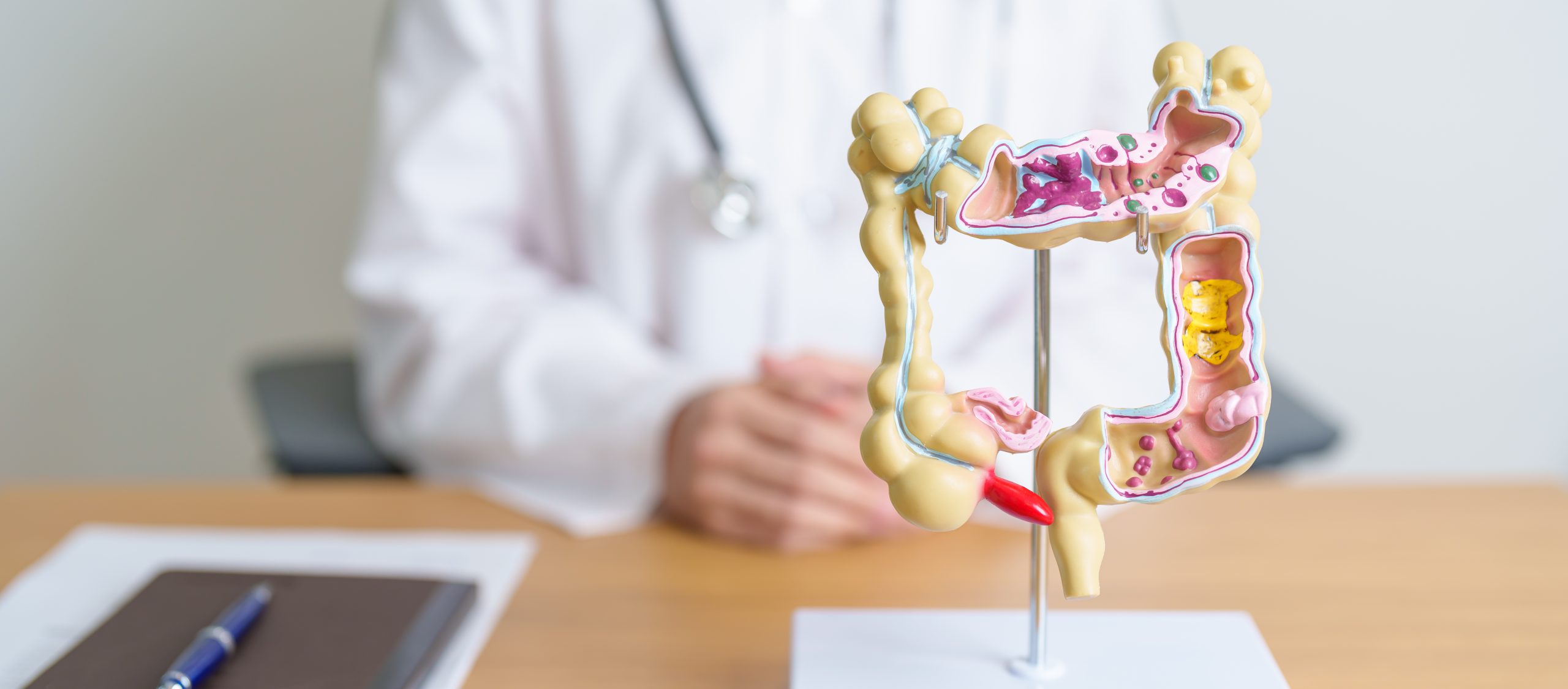
Did you know that inadequate bowel preparation is the leading cause of missed polyps during colonoscopy? A thoroughly cleansed bowel allows clear visualisation of the intestinal lining, enabling detection of polyps, inflammation, and other abnormalities.
While anal pain is often caused by benign conditions like fissures or piles, any associated rectal bleeding must be investigated to ensure a more serious pathology is not present. A colonoscopy singapore allows for a complete visual examination of the colon and rectum to rule out malignancy or inflammatory bowel disease.
Poor preparation may require rescheduling. Your preparation protocol will include dietary modifications, bowel cleansing solutions, and specific timing requirements that vary based on your appointment schedule.
Understanding Your Pre-Procedure Timeline
Your colonoscopy preparation follows a structured timeline. This typically spans five to seven days. The first phase involves medication adjustments. Your doctor will advise which medications to continue, pause, or modify based on your individual health circumstances. Blood-thinning medications like warfarin or aspirin often require specific management protocols determined by your individual health circumstances.
Dietary changes begin approximately five days before your procedure. During this initial phase, you’ll transition away from high-fibre foods, seeds, nuts, and whole grains. These foods leave residue in the colon. This can obscure the intestinal lining during examination. You should also eliminate red and purple foods, including berries, beetroot, and coloured drinks. They can mimic blood during the procedure.
Iron supplements require cessation about a week beforehand. They create a dark coating on the bowel wall. Your doctor will provide specific guidance based on your medication regimen and health conditions.
The Low-Residue Diet Phase
Three to five days before your colonoscopy, you’ll follow a low-residue diet. This minimises undigested material in your colon.
Permitted foods include:
- White rice, white bread, and refined pasta
- Eggs prepared in any style
- Chicken, fish, and lean meats without skin
- Tofu and well-cooked vegetables without skins or seeds
- Clear broths and strained soups
Foods to avoid:
- Brown rice, wholemeal bread, and cereals with bran
- Raw vegetables and salads
- Fruits with skins, seeds, or membranes
- Nuts, seeds, and popcorn
- Legumes, including beans, lentils, and chickpeas
Dairy products may be permitted in limited quantities depending on your specific instructions. Some preparation protocols restrict dairy entirely. Others allow small amounts of milk or yoghurt.
The Clear Liquid Day
The day before your colonoscopy, you’ll transition to clear liquids only. Clear liquids are those you can see through when held up to light. This phase provides hydration and some energy while ensuring your bowel remains empty.
Acceptable clear liquids:
- Water (plain or flavoured without pulp)
- Clear fruit juices like apple or white grape (no pulp)
- Clear broths—chicken, beef, or vegetable (strained)
- Plain tea or black coffee without milk
- Sports drinks in yellow, green, or orange colours
- Clear carbonated beverages
- Plain gelatine desserts (avoid red and purple)
- Ice popsicles in permitted colours
Avoid all red, purple, and blue coloured liquids. These can stain the colon lining and be mistaken for blood or abnormal tissue. Orange and yellow colours are generally acceptable.
💡 Did You Know?
The human colon processes fluid daily. Adequate hydration during your clear liquid phase helps maintain energy levels and reduce headaches during preparation.
Bowel Preparation Solutions
Your bowel preparation solution is an important component that cleanses your colon. Several types exist. Your doctor will prescribe the appropriate option based on your health status, kidney function, and medical history.
Polyethene glycol (PEG) solutions are large-volume preparations. They require you to drink several litres of fluid. These are generally well-tolerated. They don’t cause significant shifts in your body’s electrolyte balance (the levels of minerals like sodium and potassium in your blood). This makes them suitable for patients with kidney concerns or heart conditions. The main challenge is consuming the required volume.
Sodium picosulfate combinations involve smaller volumes but require additional intake of clear fluids. These preparations stimulate bowel contractions while drawing water into the intestine.
Split-dose protocols are commonly used in current practice. You consume half the preparation the evening before and half the morning of your procedure.
Mix your preparation solution according to package instructions. Chill it if preferred. Drinking through a straw positioned towards the back of your mouth can help bypass taste buds.
Managing the Bowel Cleansing Process
Once you begin drinking your preparation solution, bowel movements typically begin within 1 to 3 hours. The process continues for several hours. It gradually progresses from solid to loose to liquid stools.
Practical strategies for comfort:
- Stay close to a toilet throughout the process
- Use soft toilet paper or moistened wipes to prevent irritation
- Apply barrier cream to the perianal area between bowel movements
- Wear loose, comfortable clothing
- Keep a clear liquid drink nearby to maintain hydration
Your stools should eventually become clear or light yellow, resembling urine. This indicates adequate preparation. Persistent solid material or dark colour suggests incomplete cleansing. Report this to your clinic.
Internal haemorrhoids typically do not cause significant pain unless they become thrombosed or prolapsed. If your symptoms include persistent discomfort and protruding tissue that does not resolve with conservative care, a clinical evaluation for piles surgery singapore may be necessary to address the underlying vascular issue.
The Morning of Your Procedure
If following a split-dose protocol, you’ll wake early to complete your second preparation dose. You must finish this within the timeframe specified by your clinic—typically four to six hours before your scheduled procedure time.
After completing your preparation, you may take small sips of water until two hours before your procedure. Take the medications your doctor has approved in the morning with minimal water.
Arrange transportation in advance. Sedation (medication that makes you drowsy and relaxed) used during a colonoscopy impairs judgment and reflexes for the remainder of the day. This makes driving unsafe. A family member or friend should accompany you, or you can arrange for a taxi or private hire vehicle.
Wear comfortable, loose-fitting clothing. You’ll change into a hospital gown for the procedure.
What to Expect During Check-In
Arrive at your appointment time with your identification documents and any required paperwork. The nursing team will verify your identity, confirm your completion of preparation, and ask about your last food and fluid intake.
You’ll have an opportunity to discuss any concerns with your care team before the procedure. The staff will place an intravenous line (a small tube inserted into a vein) for the administration of sedation. The sedation used typically produces a relaxed, drowsy state. Many patients have no memory of the procedure itself.
The examination generally takes fifteen to forty-five minutes. This depends on findings and whether any polyps require removal. Recovery takes one to two hours, during which the sedation effects wear off.
After Your Colonoscopy
Post-procedure, you may experience bloating and mild cramping as air introduced during the examination passes. Walking helps expel this air and relieves discomfort. You can resume eating once you feel ready. Start with light, easily digestible foods.
Your doctor will discuss preliminary findings before discharge. If staff took biopsies (small tissue samples for laboratory examination) or removed polyps, results typically return within 1 to 2 weeks. Staff will schedule follow-up appointments based on your findings.
Self-diagnosis of anal pain is difficult due to the proximity of various structures within the anal canal. For a definitive clinical diagnosis and a management plan tailored to your symptoms, it is advisable to consult a colorectal cancer specialist singapore. A specialist evaluation can provide clarity on whether your pain is due to a simple fissure or a more complex condition.
Avoid making important decisions, signing documents, or operating machinery for a period after sedation. The cognitive effects of sedation persist longer than the drowsiness suggests.
Preparation Tips for Specific Situations
Patients with diabetes require modified preparation protocols. Blood glucose (blood sugar) management during the fasting and clear-liquid phases needs to be coordinated with your diabetes care plan. Your doctor will provide specific guidance on insulin or oral medication adjustments based on your individual health needs.
Patients taking blood thinners follow individualised protocols. These balance bleeding risk during polyp removal against clotting risk from medication cessation. Your doctor will set specific medication management plans based on your individual risk factors. Never adjust blood-thinning medications without explicit medical guidance.
Patients with kidney disease may receive specific preparation solutions. These are designed to minimise electrolyte disturbances. Your doctor will determine hydration requirements. These may differ from standard protocols based on your specific kidney function.
When to Seek Professional Help
- Severe abdominal pain or distension during preparation
- Inability to tolerate the preparation solution due to vomiting
- Blood in the stools before or after the procedure
- Fever developing after colonoscopy
- Severe or worsening abdominal pain after the procedure
- Dizziness or fainting
Pain that persists long after a bowel movement and is accompanied by swelling or discharge may indicate a deeper infection or a tract. Because these conditions rarely heal on their own, seeking factual information regarding Anal Fistula Treatment Singapore is essential to prevent the formation of a recurrent abscess.
Commonly Asked Questions
Can I brush my teeth on the morning of my colonoscopy?
Yes, you can brush your teeth and rinse your mouth. Avoid swallowing water and use minimal amounts for rinsing. Mouthwash is also acceptable as long as it’s not swallowed.
What if I can’t finish all the preparation solutions?
Contact your clinic before your appointment. Consuming a substantial portion of the solution may still produce adequate preparation. Your doctor needs to know. Incomplete preparation may mean rescheduling or proceeding with limited examination quality.
How soon can I return to work after a colonoscopy?
Most patients take the procedure day off work due to the effects of preparation and sedation. Many return to normal activities the following day. This depends on your work demands and individual recovery. Sedation effects preclude same-day return to work.
Will I feel pain during the procedure?
Sedation ensures comfort during the examination. Most patients report no memory of the procedure. You may feel pressure or slight discomfort during or after. This resolves quickly.
Next Steps
Proper preparation directly affects polyp detection rates. Follow your dietary modifications precisely, complete your bowel-cleansing solution as directed, and ensure your stools are clear before the procedure. Arrange transportation in advance since sedation prevents same-day driving.
If you’re experiencing changes in bowel habits, rectal bleeding, or unexplained abdominal discomfort, consult a colorectal surgeon for evaluation.