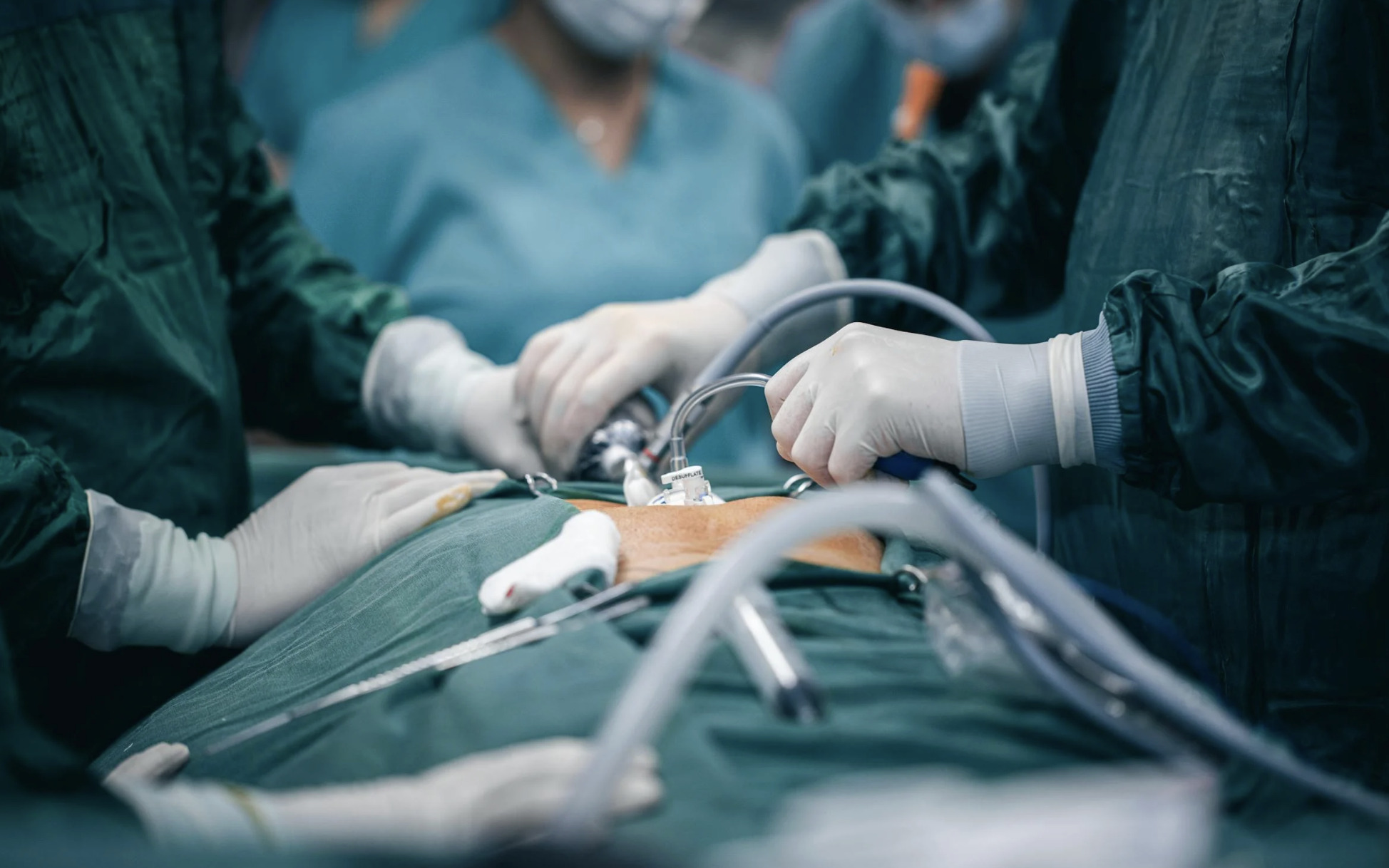
Did you know that laparoscopic colorectal surgery uses incisions measuring just a few millimetres—small enough that several could fit within the length of a traditional surgical scar? Surgeons insert a camera and specialised instruments through these ports to perform the same operations traditionally done through open surgery.
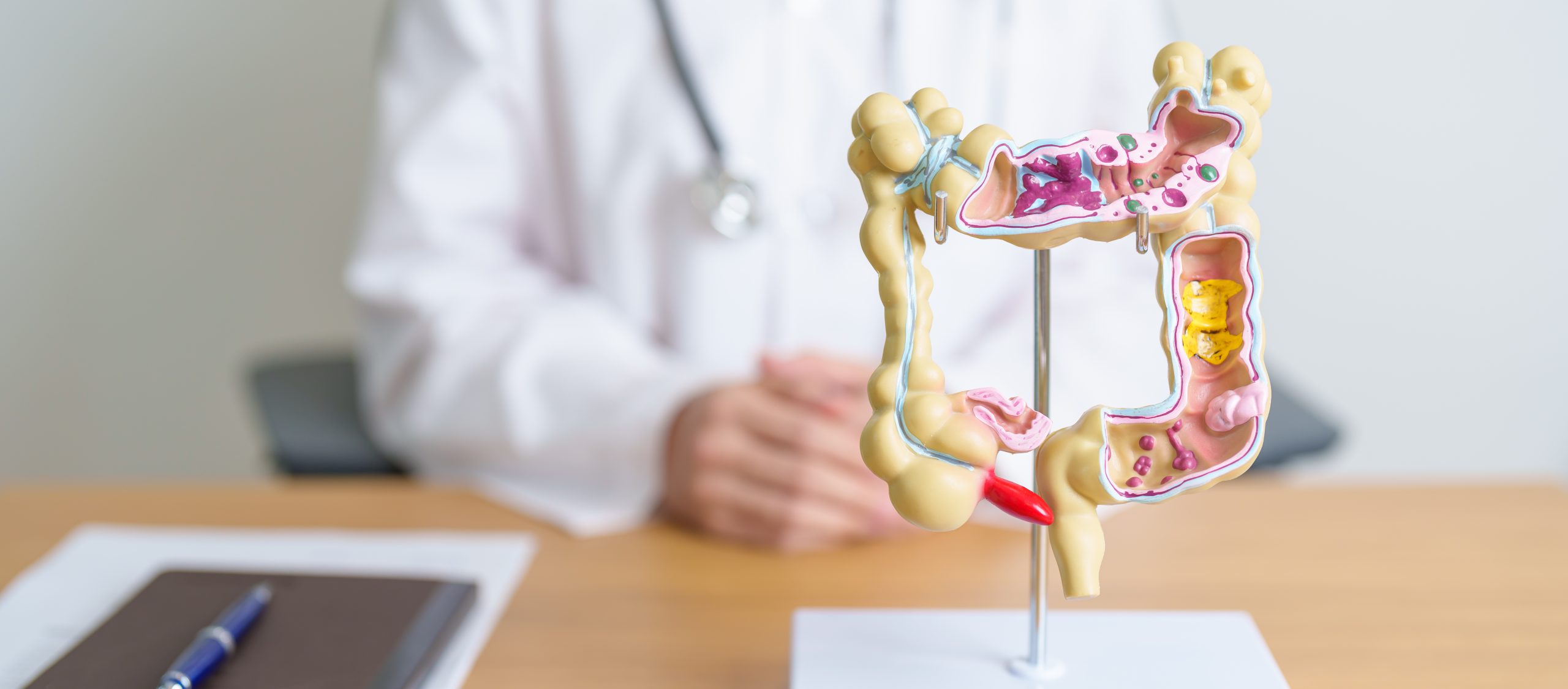
The approach allows treatment of conditions ranging from colorectal cancer and diverticular disease to inflammatory bowel disease and rectal prolapse.
How Laparoscopic Colorectal Surgery Works
The operation begins with creating pneumoperitoneum—the surgeon inflates the abdominal cavity with carbon dioxide gas to create working space. Surgeons then place trocars (hollow tubes) through small incisions, typically several, depending on the procedure. A high-definition camera inserted through one trocar provides magnified visualisation of the operative field on monitors.
Instrumentation and Visualisation
The laparoscopic camera magnifies the surgical field considerably, revealing tissue planes and blood vessels that might be less visible during open surgery. Surgeons manipulate specialised instruments—graspers, dissectors, staplers, and energy devices—while watching the monitor. The instruments articulate at their tips, compensating for the limited range of motion compared to the human hand.
Modern systems incorporate 4K resolution and three-dimensional imaging. Some surgeons utilise fluorescence imaging with indocyanine green dye to assess blood supply to anastomoses (the surgical connections between bowel segments) in real-time, potentially identifying perfusion issues before completing the operation.
Types of Procedures Performed Laparoscopically
Right hemicolectomy removes the ascending colon and part of the transverse colon, commonly performed for caecal or ascending colon cancers. Left hemicolectomy addresses descending colon pathology. Sigmoid colectomy treats sigmoid colon cancer and diverticular disease. Anterior resection removes the rectosigmoid junction and upper rectum, while low anterior resection addresses mid and low rectal cancers.
Total colectomy—removal of the entire colon—can be performed laparoscopically for conditions like familial adenomatous polyposis or refractory ulcerative colitis. Abdominoperineal resection, which removes the rectum and anus, combines laparoscopic abdominal work with a perineal approach.
Clinical Advantages Over Open Surgery
The smaller incisions translate into measurable differences in recovery parameters. Patients typically experience less postoperative pain, requiring fewer opioid medications during hospitalisation. Reduced tissue trauma means the inflammatory response is less pronounced.
Faster Return of Bowel Function
The intestines temporarily stop moving after abdominal surgery—a phenomenon called postoperative ileus (a temporary slowdown of normal intestinal movement). Laparoscopic approaches correlate with earlier return of bowel sounds, passage of flatus, and tolerance of oral intake. Patients often eat solid food one to two days earlier than after equivalent open procedures.
Laparoscopic surgery minimises contact with the intestines during the operation. Open procedures require physically retracting and handling bowel loops to access the operative site.
Reduced Hospital Stay
Length of stay after laparoscopic colorectal surgery averages several days for uncomplicated cases, compared to a longer period for open surgery. Enhanced recovery protocols—combining laparoscopic technique with optimised anaesthesia, early mobilisation, and early feeding—can reduce stays further.
Earlier discharge carries benefits beyond hospital costs. Patients return to their home environment sooner, reducing exposure to hospital-acquired infections and allowing faster psychological recovery.
Wound-Related Benefits
Smaller incisions mean less risk of wound complications. Surgical site infections, though still possible, occur less frequently with laparoscopic approaches. The small port sites heal quickly and rarely develop wound dehiscence (wound opening) or incisional hernias that can complicate large midline incisions.
From a cosmetic perspective, patients are often left with several small scars rather than a prominent vertical abdominal scar.
💡 Did You Know?
Your body absorbs the carbon dioxide used to inflate the abdomen during laparoscopic surgery and exhales it through the lungs within hours after the operation ends.
Oncological Outcomes in Cancer Surgery
Initial concerns about laparoscopic surgery for colorectal cancer centred on whether surgeons could achieve adequate lymph node harvest, appropriate resection margins, and avoid tumour seeding at port sites. Multiple randomised controlled trials with long-term follow-up have addressed these questions.
Lymph node retrieval—a quality metric for colorectal cancer surgery—is equivalent between approaches. Resection margins show no difference in adequacy. Survival rates at multiple time points match those of open surgery for colon cancer.
For rectal cancer, the data support laparoscopic surgery in experienced hands, though some complex low rectal tumours may still benefit from open or robotic approaches. Surgeons can perform the total mesorectal excision—complete removal of the fatty envelope surrounding the rectum—laparoscopically with equivalent specimen quality.
Who Is a Candidate?
Most patients requiring colorectal surgery can be considered for laparoscopic approaches. Your surgeon will determine your suitability based on factors including body habitus, previous abdominal surgery, and tumour characteristics.
Favourable Factors
- Patients without previous major abdominal surgery typically offer easier laparoscopic access
- Early-stage tumours without invasion into adjacent organs are technically straightforward
- Patients who can tolerate the head-down positioning often required for pelvic surgery are suitable candidates
Situations Requiring Special Consideration
Multiple previous abdominal operations create adhesions—scar tissue binding organs together—that can complicate laparoscopic access. Surgeons can often work through adhesions laparoscopically, but dense scarring may necessitate conversion to open surgery.
Very large tumours or those invading adjacent structures may require open approaches for safe resection. Emergency surgery for obstruction or perforation presents challenges, though experienced surgeons can perform some emergency laparoscopic procedures.
Morbid obesity adds technical difficulty due to thicker abdominal walls and fatty mesentery. However, it also increases the benefits of avoiding large incisions in patients prone to wound complications.
⚠️ Important Note
Conversion from laparoscopic to open surgery during an operation is not a complication or failure—it represents sound surgical judgement when circumstances require better access or visualisation.
The Surgical Experience
Preoperative Preparation
Bowel preparation protocols vary by institution and procedure. Some operations require full mechanical bowel preparation with oral laxatives the day before surgery; others use minimal or no preparation. Your surgeon will provide specific instructions.
Most patients stop eating solid food the night before surgery and clear liquids several hours beforehand. Those on blood thinners receive individualised instructions about holding or bridging these medications.
During the Operation
General anaesthesia is required. The operation length varies by procedure complexity—right hemicolectomy might take a certain period, while low anterior resection can exceed a longer timeframe. Throughout the procedure, the surgical team monitors vital signs, adjusts positioning, and manages the pneumoperitoneum.
Surgeons typically extend one incision slightly to extract the specimen and, for some procedures, create an anastomosis. This extraction site is usually a few centimetres.
Immediate Postoperative Period
Patients wake in the recovery area before transferring to the ward. Early mobilisation—sitting up, standing, and walking—begins on the day of surgery or the following morning. Incentive spirometry exercises (breathing exercises using a handheld device) help prevent pulmonary complications.
Pain management typically involves a combination of paracetamol, non-steroidal anti-inflammatory drugs, and limited opioids. Surgeons may use epidural catheters or regional nerve blocks for certain procedures.
Recovery Timeline
Physical recovery occurs in stages, with different activities resuming at different points. Outcomes differ among patients based on individual health factors.
The first week involves wound care, gradually increasing oral intake, and light ambulation at home. Most patients manage basic self-care independently.
In a few weeks, patients typically resume light daily activities, though heavy lifting remains restricted. Driving usually resumes once patients can perform emergency braking without discomfort, often within a few weeks.
Full recovery, including return to physically demanding work and strenuous exercise, generally occurs within several weeks. This compares favourably to a longer period for open surgery recovery.
Bowel habits may take several weeks to regulate after colorectal surgery, regardless of approach. Some patients experience increased frequency or looser stools initially, particularly after rectal surgery.
✅ Quick Tip
Walking regularly during recovery—starting with short distances and gradually increasing—supports bowel function return and reduces the risk of blood clots.
Potential Complications
Laparoscopic colorectal surgery carries risks inherent to any major abdominal operation, though some complications occur less frequently than with open surgery.
Anastomotic leak—leakage from the surgical connection between bowel ends—represents a significant, specific complication. Risk increases with lower rectal anastomoses. Surgeons may create a temporary stoma (an opening that diverts stool to a bag outside the body, also called a diverting ileostomy) to protect high-risk anastomoses.
Bleeding, infection, and blood clots are possible with any surgical procedure. Injury to adjacent structures—ureter, bladder, or other organs—is rare but recognised.
Conversion to open surgery occurs in some laparoscopic cases. This happens most commonly due to adhesions, unclear anatomy, or bleeding that cannot be controlled laparoscopically.
When to Seek Professional Help
- Fever above a certain temperature persisting beyond a day
- Increasing abdominal pain rather than gradual improvement
- Redness, swelling, or discharge from incision sites
- Inability to tolerate liquids or persistent vomiting
- No passage of gas or stool for more than several days after surgery
- Palpitations, chest pain, or difficulty breathing
Commonly Asked Questions
How do surgeons learn laparoscopic colorectal surgery?
Graduated approach training. Surgeons start with simpler laparoscopic procedures. They progress through proctored cases with experienced surgeons. They attend specialised courses with simulation and cadaveric practice. Competency develops over many cases, and surgeons typically track their outcomes.
Will I need a stoma after laparoscopic surgery?
This depends on the procedure and circumstances, not the surgical approach. Low rectal surgery often requires a temporary stoma regardless of whether surgeons perform it laparoscopically or open. Your surgeon will discuss this possibility during preoperative consultation.
Is robotic surgery different from laparoscopic surgery?
Robotic surgery is a form of laparoscopic surgery using a different instrument platform. It offers certain features in confined spaces, like the pelvis. The choice often depends on the surgeon’s preference, training, and institutional resources.
How soon can I travel after surgery?
Short car journeys are usually possible within a short timeframe. Air travel typically resumes after several weeks, though this may vary based on your recovery and destination. Discuss travel plans with your surgeon, particularly for long-haul flights.
What dietary changes are needed after colorectal surgery?
Initial recommendations focus on easily digestible foods, avoiding high-fibre items until bowel function stabilises. Long-term dietary needs depend on how much colon was removed and vary between individuals. Your care team may arrange a dietitian consultation if specific guidance is needed.
General Disclaimer
Individual recovery experiences and outcomes will differ based on personal health factors, the specific procedure performed, and other variables. This educational content provides general information and should not replace personalised medical advice. Always consult with qualified healthcare professionals for guidance tailored to your individual circumstances.
Next Steps
Laparoscopic colorectal surgery delivers equivalent oncological outcomes with faster recovery and shorter hospitalisation. Your suitability depends on previous surgery history, tumour characteristics, and overall health status.
If you’re experiencing rectal bleeding, persistent changes in bowel habits, or abdominal pain requiring colorectal surgery evaluation, consult with a colorectal surgeon to determine whether a laparoscopic approach is appropriate for your specific condition.