Haemorrhoids that persist despite dietary changes, topical treatments, and lifestyle modifications may require surgical intervention. The decision to proceed with surgery depends on the grade of haemorrhoids, severity of symptoms, and how significantly they affect daily activities. Most patients exhaust conservative options for 4-6 weeks before surgical evaluation becomes appropriate.
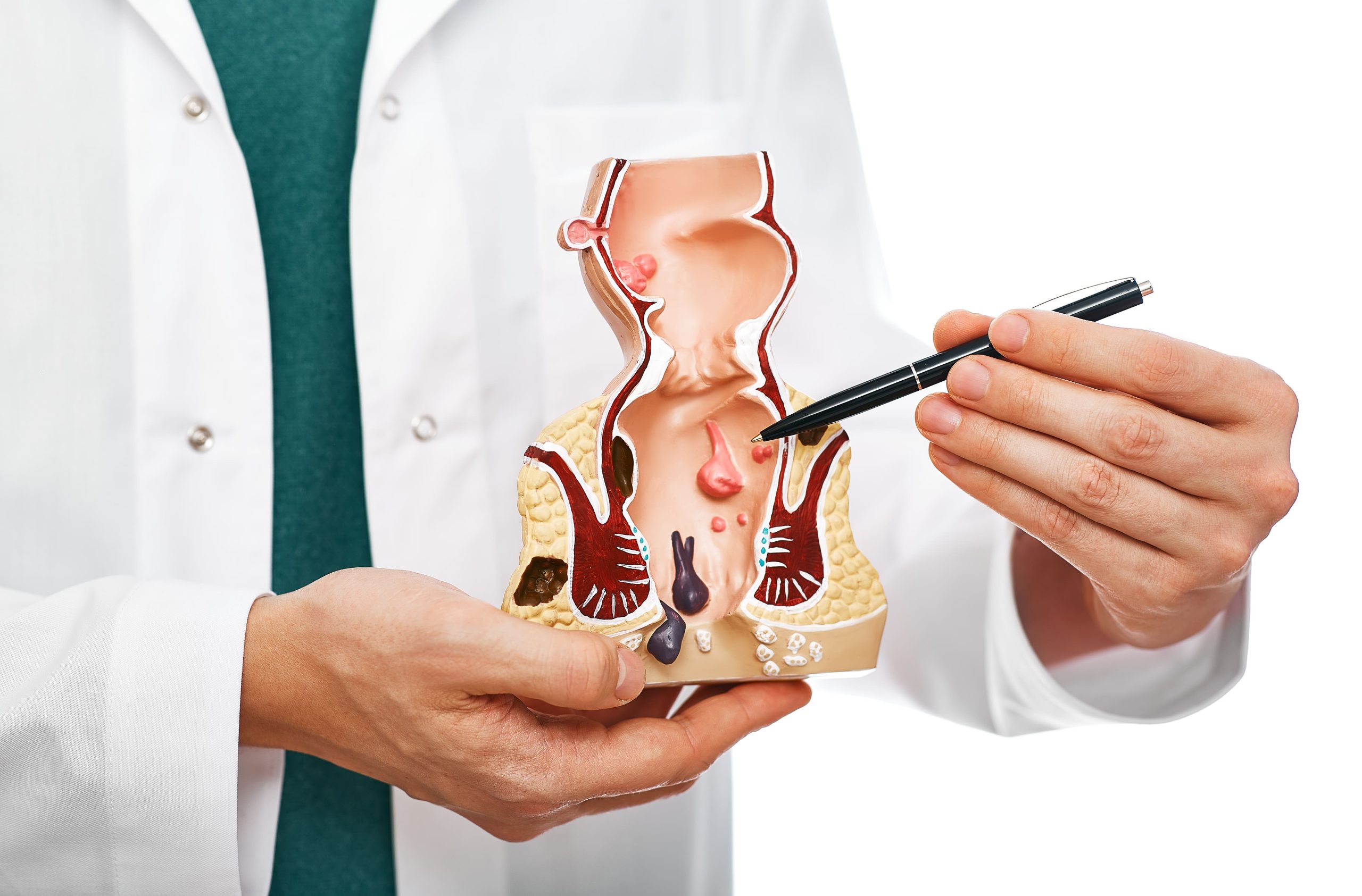
Internal haemorrhoids are classified into four grades based on prolapse severity. Grade I haemorrhoids bleed but do not prolapse. Grade II prolapse during bowel movements but retract spontaneously. Grade III require manual repositioning after prolapse. Grade IV remain permanently prolapsed and cannot be pushed back. This grading system directly influences treatment recommendations: Grades I and II typically respond to non-surgical approaches, while Grades III and IV often benefit from surgical intervention.
External haemorrhoids present differently, forming under the skin around the anus. When a blood clot develops within an external haemorrhoid (thrombosed haemorrhoid), the pain can be severe enough to warrant surgical evaluation, particularly within the first 72 hours of symptom onset.
Failed Conservative Treatment
Conservative management remains the first-line approach for symptomatic haemorrhoids. This includes increasing dietary fibre to 25-30 grams daily, adequate hydration, avoiding straining during defecation, and using topical preparations for symptom relief. Sitz baths (sitting in warm water for 10-15 minutes several times daily) help reduce swelling and discomfort.
When symptoms persist beyond 6 weeks of consistent conservative treatment, surgical consultation becomes reasonable.
Recurrent symptoms also warrant surgical consideration. Patients who experience temporary relief followed by repeated flare-ups every few months may wish to discuss surgical treatment options as an alternative to ongoing conservative management cycles.
Severity of Bleeding
Bleeding from haemorrhoids typically appears as bright red blood on toilet paper, in the bowl, or coating the stool surface. While occasional minor bleeding often responds to conservative measures, certain bleeding patterns indicate the need for surgical evaluation.
Bleeding requiring medical attention includes episodes occurring with most bowel movements, blood dripping into the toilet bowl independent of stool passage, and bleeding that persists despite adequate fibre intake and proper bowel habits. Prolonged bleeding can lead to iron deficiency anaemia, identified through symptoms like fatigue, shortness of breath, and pallor, or confirmed via blood tests showing reduced haemoglobin levels.
Anaemia secondary to haemorrhoidal bleeding typically resolves after successful surgical treatment, though iron supplementation may be necessary during recovery.
💡 Did You Know?
The blood supply to haemorrhoids comes from the superior, middle, and inferior rectal arteries. Surgical techniques target these feeding vessels to reduce blood flow to enlarged haemorrhoidal tissue, which is why bleeding typically resolves following appropriate procedures.
Prolapse Affecting Quality of Life
Prolapsing haemorrhoids that require manual reduction after each bowel movement create significant daily inconvenience. Beyond the physical act of repositioning tissue, patients often experience mucus discharge, perianal moisture, and skin irritation from prolapsed haemorrhoids contacting clothing and skin.
Grade III haemorrhoids that prolapse during activities beyond defecation (such as prolonged standing, physical exertion, or coughing) indicate more advanced disease. When prolapse interferes with work, exercise, or social activities, surgical correction may offer quality of life improvement.
Grade IV haemorrhoids, which remain permanently prolapsed, carry additional risks including tissue strangulation if blood supply becomes compromised. These typically require surgical management regardless of other symptoms.
Pain and Thrombosis
Uncomplicated internal haemorrhoids rarely cause pain because they originate above the dentate line, where pain-sensing nerve fibres are sparse. Pain from haemorrhoids usually indicates either external haemorrhoid involvement or complications such as thrombosis, strangulation, or ulceration.
Thrombosed external haemorrhoids produce sudden, severe perianal pain with a visible or palpable firm lump. Surgical excision within 48-72 hours of symptom onset may provide faster pain relief and lower recurrence rates compared to conservative management. After this window, the clot begins organising and symptoms often improve spontaneously, making watchful waiting reasonable.
Strangulated haemorrhoids occur when prolapsed tissue becomes trapped outside the anal canal with compromised blood supply. This surgical emergency presents with severe pain, swelling, and colour changes in the prolapsed tissue, requiring urgent intervention.
Coexisting Anal Conditions
Haemorrhoids frequently coexist with other anorectal conditions that may influence surgical timing and approach. Anal fissures, which are tears in the anal canal lining, can occur alongside haemorrhoids and may be addressed simultaneously during surgery.
Anal fistulas, abnormal connections between the anal canal and perianal skin, require specific surgical treatment. When present with symptomatic haemorrhoids, a combined approach may be appropriate depending on fistula complexity and haemorrhoid grade.
Rectal prolapse, where the rectal wall protrudes through the anus, can be confused with prolapsing haemorrhoids but requires different surgical management. Accurate diagnosis through clinical examination and sometimes imaging ensures appropriate treatment planning.
⚠️ Important Note
Any change in bowel habits, unexplained weight loss, or bleeding that appears dark or mixed within stool (rather than bright red and separate) warrants investigation beyond haemorrhoid assessment. These symptoms may indicate conditions requiring different evaluation and treatment.
Understanding Surgical Options
Several techniques exist for piles surgery, each suited to specific situations.
Rubber Band Ligation
Office-based procedure where small bands are placed at the haemorrhoid base, cutting off blood supply. Suitable for Grade I-II and selected Grade III internal haemorrhoids. Multiple sessions may be needed for complete treatment.
Haemorrhoidectomy
Traditional surgical excision of haemorrhoidal tissue. Suitable for Grade III-IV haemorrhoids and associated with lower recurrence rates. Requires anaesthesia and involves a recovery period with post-operative pain management.
Stapled Haemorrhoidopexy
Circular stapling device removes a ring of tissue above the haemorrhoids, lifting prolapsed tissue back into position. Generally less painful than traditional haemorrhoidectomy but may have higher long-term recurrence rates for advanced disease.
Haemorrhoidal Artery Ligation
Uses Doppler ultrasound to identify and ligate arterial blood supply to haemorrhoids. Minimally invasive, with recovery that is typically shorter than traditional excisional techniques.
What a Colorectal Surgeon May Consider
The decision between surgical techniques depends on multiple factors beyond haemorrhoid grade alone. Patient preferences regarding recovery time, acceptable recurrence risk, and ability to take time off work all influence recommendations. For younger patients with advanced haemorrhoids, more comprehensive surgical interventions may be considered despite longer recovery, while older patients or those with multiple medical conditions might benefit from less invasive approaches.
Preparing for Surgical Consultation
Before your consultation, documenting your symptom history provides valuable information for surgical planning.
- Track your symptoms for 1-2 weeks, noting bleeding frequency, prolapse episodes, pain levels, and impact on daily activities.
- List all treatments tried, including duration and effectiveness (such as dietary changes, topical medications, and any previous procedures).
- Note your medical history, particularly blood thinners, bleeding disorders, inflammatory bowel disease, or previous anorectal surgery.
- Prepare questions about surgical options, expected recovery time, time off work needed, and recurrence rates for your specific situation.
- Arrange examination logistics: A surgical consultation includes a physical examination, so wear comfortable clothing and plan for the appointment to take 30-45 minutes.
When to Seek Professional Help
Persistent bleeding: Bleeding with most bowel movements despite 4-6 weeks of conservative treatment.
- Manual repositioning: Haemorrhoids requiring manual repositioning after defecation.
- Daily impact: Symptoms interfering with work, exercise, or daily activities.
- Sudden pain: Sudden severe perianal pain with a firm, tender lump.
- Discoloured prolapse: Prolapsed tissue that cannot be pushed back or appears discoloured.
- Anaemia symptoms: Fatigue or shortness of breath alongside ongoing bleeding.
- Recurrence: New or worsening symptoms in previously treated haemorrhoids.
Commonly Asked Questions
How long is recovery after haemorrhoid surgery?
Recovery varies by procedure. Rubber band ligation allows return to normal activities within 1-2 days. Haemorrhoidectomy typically requires 2-3 weeks before resuming full activities, with complete healing over 4-6 weeks. Most patients manage post-operative discomfort with oral pain medication and sitz baths.
Will haemorrhoids return after surgery?
Recurrence rates depend on the procedure performed and ongoing lifestyle factors. Haemorrhoidectomy is associated with lower recurrence rates. Maintaining adequate fibre intake, hydration, and avoiding straining reduces recurrence risk regardless of surgical technique used.
Is haemorrhoid surgery painful?
Pain management protocols have improved the surgical experience over time. While traditional haemorrhoidectomy involves notable post-operative discomfort, approaches such as haemorrhoidal artery ligation are generally associated with less pain. A surgeon will discuss expected discomfort and pain management strategies for the specific procedure recommended.
Can I choose which surgical technique I receive?
Treatment recommendations are based on haemorrhoid characteristics, but patient preferences matter. Discuss your priorities (such as faster recovery versus lower recurrence, or a minimally invasive approach versus more definitive treatment) so your surgeon can recommend options aligned with your goals.
What happens if I delay surgery?
Delaying surgery for symptomatic haemorrhoids isn’t dangerous in many cases, but symptoms may progress. Grade III haemorrhoids can advance to Grade IV, and ongoing bleeding may cause anaemia. The decision timing depends on symptom severity and quality of life impact rather than medical urgency for most patients.
Next Steps
Surgery is indicated when conservative treatment fails after 4-6 weeks, when haemorrhoid grade is III or IV, or when complications such as thrombosis or strangulation are present. Ongoing bleeding that causes anaemia also warrants surgical evaluation. Document your symptom history and prior treatments before your consultation to support efficient surgical planning.
If you are experiencing persistent rectal bleeding, haemorrhoids requiring manual reduction after defecation, or sudden severe perianal pain with a firm lump, consult a colorectal surgeon to determine whether surgical intervention is appropriate for your situation.